Top 10 Best Dog Food Containers to Keep Your Pet’s Food Fresh
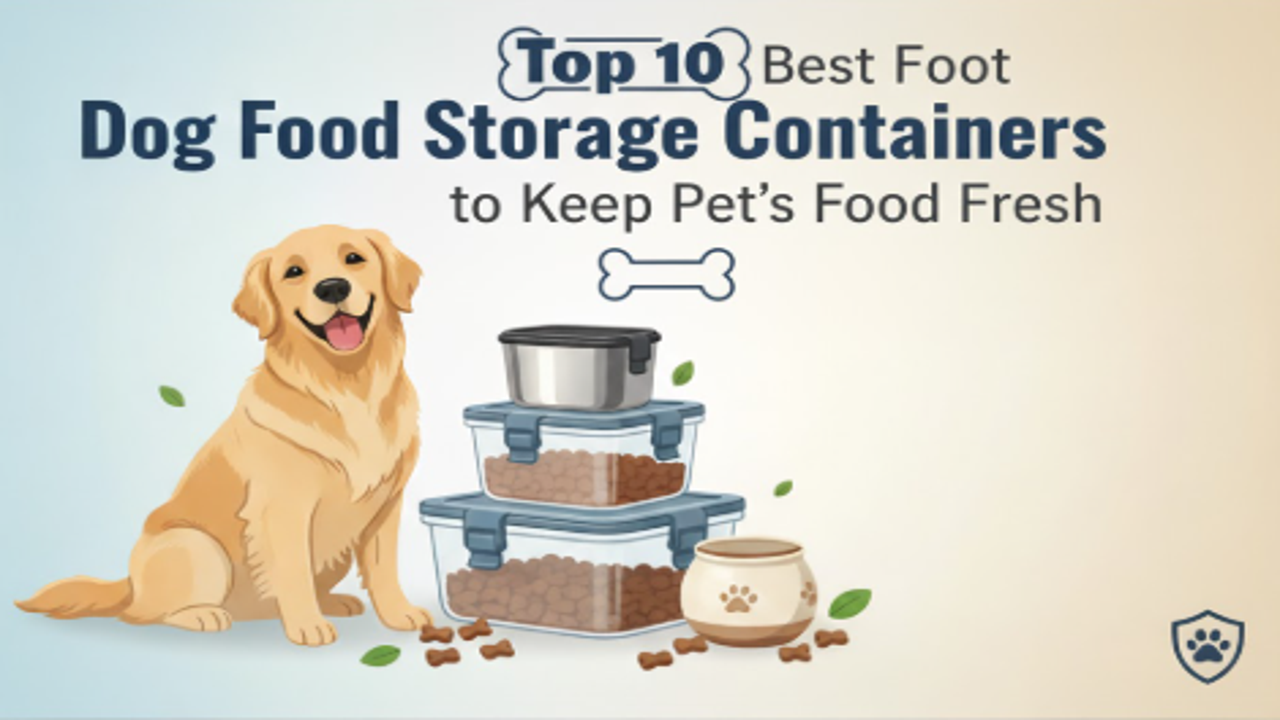
Keeping dog food fresh matters more than many pet owners realize. Stale kibble can lose flavor and nutrients, and improper storage invites pests, moisture, and odors into your pantry. The right dog food container simplifies feeding, extends shelf life, and keeps your home tidy. Below I’ll walk you through the top 10 dog food containers (types and features), what to look for when buying, how to store different types of pet food, maintenance tips, and a short FAQ. Whether you want a budget-friendly bin, a stylish container that matches your kitchen, or a heavy-duty solution for large households, this guide will help you choose smartly.
Why a dedicated dog food container matters
- Freshness: Airtight seals slow oxidation and protect kibble from going rancid.
- Pest control: Proper containers keep beetles, weevils, and rodents out.
- Hygiene: Food stored in bags can spill or get contaminated — containers reduce that risk.
- Convenience: Scoops, wheels, and clear measurement marks make feeding easier.
- Space & aesthetics: You can match containers to your kitchen or utility room and reduce clutter.
How I picked the top 10 (quick note)
This list focuses on containers that balance airtight performance, durability, ease of use, safety (BPA-free/non-toxic materials), and value. I prioritized designs that work for multiple bag sizes and included options for different budgets and lifestyles (small homes, large dogs, frequent travelers, etc.). Each entry below includes what makes it good, potential downsides, and the kinds of pet owners it fits best.
The Top 10 Best Dog Food Containers
1. Airtight Plastic Bin with Locking Lid (Best overall value)
Why it’s great: Simple, lightweight, usually stackable, and widely available in sizes from 5 lb to 50 lb. A rubber gasket plus locking snap-lid keeps air and pests out. Many come with wheels and a built-in scoop.
Pros: Affordable, easy to clean, lightweight, many size options.
Cons: Plastic can stain or retain odors; look for BPA-free plastics.
Best for: Budget-conscious owners who want reliable freshness for kibble.
2. Stainless Steel Canister (Best for odor control & durability)
Why it’s great: Stainless steel doesn’t absorb smells, won’t stain, and is exceptionally durable. Many models feature silicone seals for airtight storage. Great for wet/dry food storage short-term.
Pros: Long-lasting, non-porous, stylish, easy to sanitize.
Cons: Usually more expensive and available in smaller capacities; heavy.
Best for: Owners who want a long-lasting, low-maintenance container and don’t need to store huge quantities.
3. Food-Grade Resin Bin with Wheels (Best for large bags)
Why it’s great: Heavy-duty resin bins can handle 30–50 lb bags, often with wheels and a pour spout or removable lid. Designed for garage or pantry use—impact-resistant and stackable.
Pros: Rugged, large capacity, easy to move, pest-resistant.
Cons: Bulkier and more expensive than smaller bins; resin quality varies.
Best for: Families with large dogs or multiple dogs who buy in bulk.
4. Vacuum-Seal Container (Best for maximum freshness)
Why it’s great: These containers remove most of the air for extended freshness and can be especially useful for opened bags that won’t be used quickly. Vacuum lids (manual or pump) reduce oxidation.
Pros: Extends shelf life, excellent for preserving flavor and nutrients.
Cons: More expensive, additional moving parts to maintain, and not always ideal for very large volumes.
Best for: Owners who buy high-end kibble or small-batch freeze-dried food and want to maximize shelf life.
5. Stackable Modular Containers (Best for small spaces)
Why it’s great: Modular bins fit together neatly in a cupboard or utility room. Smaller, stackable designs allow you to portion by type (kibble, treats, supplements) while keeping everything airtight.
Pros: Space-saving, neat, versatile for multi-pet households.
Cons: Might not hold whole large bags; best for pre-portioned storage.
Best for: Apartment owners and people with limited storage.
6. Decorative Ceramic or Bamboo Container (Best for countertop display)
Why it’s great: If aesthetics matter, stylish ceramic or bamboo containers look great on countertops while offering a reasonable seal for short-term storage of treats or open bags. Many include silicone gaskets.
Pros: Attractive, eco-friendly (bamboo), good for treats and small amounts of kibble.
Cons: Not as airtight as some alternatives; ceramic can chip.
Best for: Owners who want storage that’s both functional and decorative.
7. Container with Built-in Feeder/Dispenser (Best for convenience)
Why it’s great: These combine storage with an automatic dispensing mechanism or gravity-fed chute. Great for busy schedules and portion control. Some models can be used with microchip feeders or timers.
Pros: Convenient, reduces spillage, can portion meals.
Cons: Mechanisms can jam; requires regular cleaning.
Best for: Owners who need scheduled feedings or portion control without constantly being present.
8. Stackable BPA-Free Plastic Food Storage (Best budget modular system)
Why it’s great: Similar to stackable modular containers but cheaper. These are lightweight, clear, and usually come as multi-piece sets — great for dividing different kibble formulas or treats.
Pros: Inexpensive, versatile, easy to label.
Cons: Not as durable as premium options; may need replacing sooner.
Best for: New pet owners or those on a tight budget.
9. Resealable Mylar-Style or Bag-in-Canister System (Best for long-term storage)
Why it’s great: Systems that allow you to keep the original bag inside an airtight canister combine the convenience of resealable bags with a protective outer shell. Good for long-term storage and travel.
Pros: Keeps original packaging intact, excellent for preserving nutrient integrity, portable.
Cons: Can be pricier per unit and less visually appealing.
Best for: Owners who rotate diets or store food long-term.
10. Multi-Compartment Rolling Bin (Best for multi-pet households)
Why it’s great: These rolling carts offer separate compartments to keep different diets and treat types organized, usually with locking lids and wheels to move around the home.
Pros: Organized, portable, fits multiple diets/needs.
Cons: Larger footprint and higher cost.
Best for: Households with 2+ pets on different diets or large training setups.
Buying guide — what features really matter
Airtight sealing
This is the single most important feature. Look for silicone gaskets and locking lids. If a container claims “air-tight,” inspect user reviews to confirm real-world performance.
Material
- Plastic (food-grade, BPA-free): Lightweight, affordable. Check for odor retention.
- Stainless steel: Durable, non-porous, sanitary. Often pricier.
- Resin/polypropylene: Heavy-duty for large volumes; look for food-safe labeling.
- Bamboo/ceramic: Good for aesthetics and short-term storage—less ideal for long-term oxygen control.
Capacity
Match the container to the bag size and how often you buy. If you buy 30–40 lb bags, choose containers rated for bulk storage or buy two containers. Avoid overfilling; leaving a little headspace helps with scooping.
Wheels & handles
If you move containers frequently (garage to kitchen), wheels and ergonomic handles are a lifesaver.
Pour spouts & scoops
Integrated pour spouts reduce spillage. A dedicated scoop stored inside the lid or attached is convenient. Look for measuring marks.
Stackability & storage footprint
If you’re tight on space, choose stackable or modular units that optimize vertical storage.
Safety & materials certification
Ensure containers are labeled food-grade, BPA-free, and if possible meet safety certifications for food contact.
Ease of cleaning
Removable lids, smooth interiors, and dishwasher-safe parts make maintenance simpler. Avoid complex mechanisms if you want minimal upkeep.
How to store different types of pet food
Dry kibble
- Transfer to an airtight container after opening.
- Store in a cool, dry place out of direct sunlight.
- Use within manufacturer’s recommended time once opened (often 4–8 weeks for many brands), but vacuum-sealing can extend this.
Wet or canned food
- Not suitable for long-term storage in containers. Store sealed cans in a cool, dry place and transfer leftovers to a sealed, refrigerated container and use within 48–72 hours.
Freeze-dried or dehydrated food
- Keep in original sealed pouches if possible. If opening, reseal with a vacuum-system or store in a desiccant-lined container to keep moisture out.
Fresh/frozen/raw diets
- Keep frozen until use. Bulk storage containers are not appropriate for raw diets unless specifically rated for freezing and thawing safely.
Maintenance tips to keep food fresh and containers clean
- Clean regularly. Wipe containers weekly; deep clean monthly with warm soapy water and dry thoroughly.
- Rotate stock. Use the oldest bag first and label with the opening date.
- Avoid moisture. Keep containers off the floor if your garage or pantry is humid. Consider a desiccant packet for humid climates (ensure it’s pet-safe and inaccessible).
- Check seals. Replace worn gaskets to maintain airtight performance.
- Smell test. If kibble smells off (rancid, musty), discard — better safe than sorry.
- Keep a small scoop for measuring and clean it regularly to avoid cross-contamination between formulas.
Common mistakes to avoid
- Leaving kibble in the open bag on the floor — it invites pests and moisture.
- Using non-food-grade containers — chemicals can leach into the food.
- Overbuying without appropriate storage — large sacks that sit for months can go stale.
- Assuming “airtight” from marketing — always check reviews and gasket quality.
Quick comparison (at-a-glance)
- Best value: Airtight plastic bin with locking lid
- Best durability: Stainless steel canister
- Best for bulk: Food-grade resin bin with wheels
- Best for freshness: Vacuum-seal container
- Best for small spaces: Stackable modular containers
- Best for style: Ceramic/bamboo canisters
- Best convenience: Built-in feeder/dispenser
- Best budget modular: BPA-free plastic storage set
- Best long-term: Bag-in-canister systems
- Best multi-pet: Multi-compartment rolling bin
FAQ
Q: Can I store kibble in the original bag?
A: Leaving kibble in its original bag inside a sealed container is actually a good practice — the bag is designed to preserve food and the container protects against physical damage and pests.
Q: How long does kibble stay fresh once opened?
A: It depends on the brand and storage, but generally 4–8 weeks in normal conditions. Vacuum-sealed containers can extend this. Always trust smell and appearance over strict timelines.
Q: Are airtight containers necessary if I feed my dog quickly?
A: If you finish the bag within a few days, airtightness is less critical. But for most households, containers help maintain freshness and keep pests out.
Q: Are desiccant packs safe to use?
A: Only use food-safe desiccants and keep them inaccessible to pets. They’re helpful in humid climates but aren’t a substitute for airtight seals.
Final tips — choose with purpose
- Match capacity to usage. If you buy weekly, a small container is fine; if you buy in bulk, invest in a heavy-duty bin.
- Prioritize airtight seals and food-safe materials over appearance, unless you’re storing treats or small quantities.
- Consider mobility (wheels/handles) if you’ll move the container often.
- Label and date each opened bag to practice FIFO (first in, first out).
- Don’t forget treats. Keep treats in a separate airtight container to maintain training effectiveness and reduce cross-contamination.
Closing thoughts
A good dog food container is one of the simplest upgrades you can make for pet health and household organization. It keeps food fresh, reduces waste, protects against pests, and makes feeding more consistent. Whether you choose a budget plastic bin, a sleek stainless-steel canister, or a vacuum-seal system, pick a container that fits your bag size, space, and lifestyle. Investing a little now will keep your dog’s meals tasty and nutritious — and make your life a lot easier.