Healthy Dog Food Options Every Pet Owner Should Know
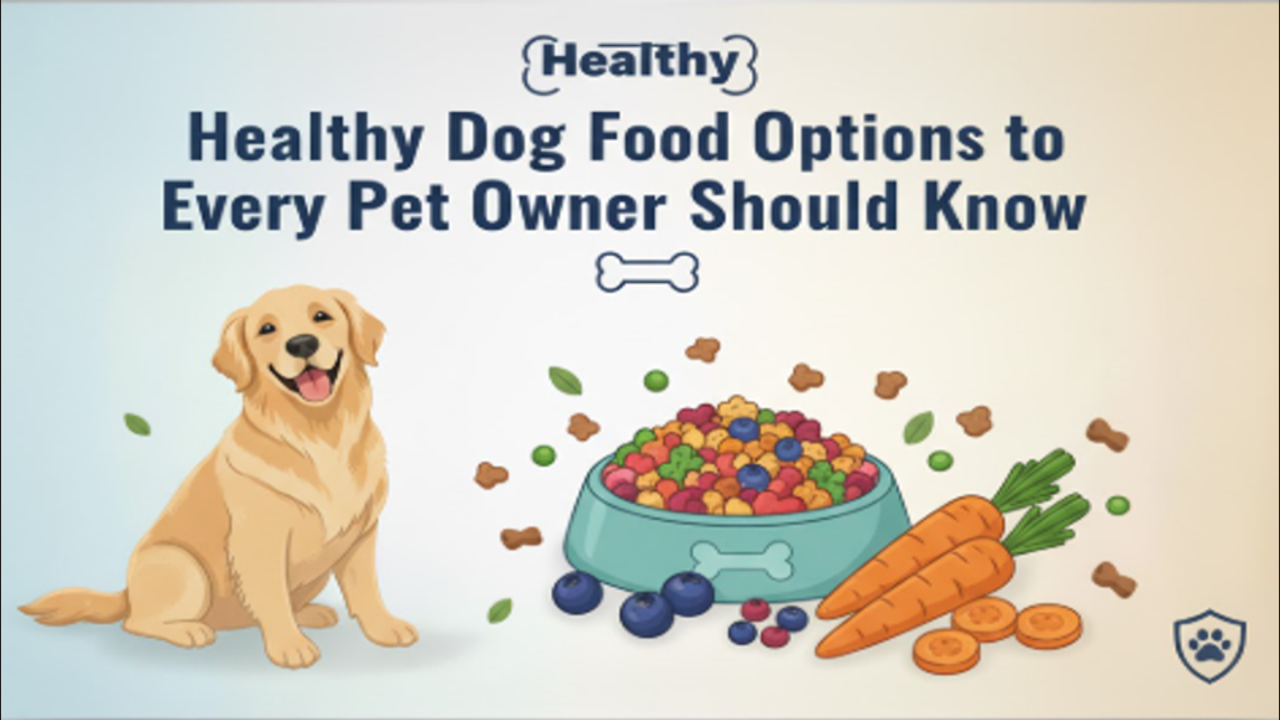
When it comes to caring for your furry friend, choosing the right food is one of the most important decisions you can make. Just like humans, dogs need balanced nutrition to thrive — and with the vast number of brands and options on the market, it can be overwhelming to decide what’s truly healthy.
In this comprehensive guide, we’ll explore the healthiest dog food options, what ingredients to look for, how to read dog food labels, and the pros and cons of dry, wet, raw, and homemade diets. Whether you’re a first-time dog parent or an experienced one, this guide will help you make informed choices for your pup’s long-term health and happiness.
Why Choosing Healthy Dog Food Matters
Your dog’s diet directly impacts their overall well-being — from coat shine and energy levels to digestion and longevity. Poor-quality dog food can lead to health issues such as obesity, allergies, digestive upset, and chronic diseases.
Feeding your dog nutritious, high-quality food:
- Supports strong bones and muscles
- Promotes a shiny coat and healthy skin
- Boosts energy and vitality
- Improves digestive health
- Strengthens the immune system
- Helps maintain a healthy weight
Simply put, good food equals good health — and a happier, longer life for your best friend.
Understanding Dog Nutrition Basics
Before diving into healthy food options, it’s essential to understand what nutrients your dog actually needs. Dogs are omnivores, meaning they thrive on a combination of meat, vegetables, and grains.
1. Protein
Protein is the foundation of a dog’s diet. It helps build and repair tissues and supports immune and muscular functions.
Best sources: Chicken, beef, lamb, turkey, fish, eggs.
2. Fats
Healthy fats provide energy and help absorb vitamins. They’re also vital for healthy skin and a shiny coat.
Best sources: Salmon oil, flaxseed oil, chicken fat.
3. Carbohydrates
Carbs supply energy and fiber for healthy digestion. However, not all carbs are equal—avoid fillers like corn and soy.
Best sources: Sweet potatoes, brown rice, oats, peas.
4. Vitamins & Minerals
These support overall body functions, including metabolism, immunity, and bone health. Look for natural sources like fruits, vegetables, and whole grains.
5. Water
Hydration is key! Always ensure your dog has access to fresh, clean water.
Types of Dog Food: Pros and Cons
Dog food comes in several forms, each with its own benefits and drawbacks. Understanding the differences will help you choose the best fit for your dog’s lifestyle and needs.
1. Dry Dog Food (Kibble)
Pros:
- Convenient and cost-effective
- Long shelf life
- Helps clean teeth by reducing plaque buildup
Cons:
- May contain fillers or artificial preservatives in low-quality brands
- Less moisture content (not ideal for dogs prone to dehydration)
Tip: Choose a kibble with high protein content and no artificial additives.
2. Wet Dog Food (Canned)
Pros:
- High moisture content (great for hydration)
- Often more palatable and aromatic
- Easier to chew for older dogs
Cons:
- More expensive per serving
- Shorter shelf life after opening
- Can cause dental buildup if not balanced with dry food
Tip: Use wet food as a supplement or topper for kibble.
3. Raw Dog Food
Pros:
- Closely mimics ancestral diets
- Can lead to shinier coats, smaller stools, and better energy
Cons:
- Can harbor bacteria if not handled properly
- Requires freezer storage and careful meal prep
- Not suitable for all dogs (especially those with immune issues)
Tip: Consult your vet before switching to a raw diet.
4. Freeze-Dried and Dehydrated Food
Pros:
- Retains nutrients better than traditional kibble
- Convenient alternative to raw feeding
- Long shelf life
Cons:
- More expensive
- Must be rehydrated before serving
Tip: Look for brands with real meat as the first ingredient and no artificial fillers.
5. Homemade Dog Food
Pros:
- Full control over ingredients
- Fresh and customizable
- Great for dogs with allergies or sensitivities
Cons:
- Time-consuming to prepare
- Risk of nutrient imbalance if not properly formulated
Tip: Always work with a veterinarian or pet nutritionist to create a balanced recipe.
Healthy Dog Food Ingredients to Look For
When evaluating dog food, always check the ingredient label. The first few ingredients should be whole, recognizable foods — not by-products or fillers.
Here are the top ingredients to prioritize:
- Real Meat as the First Ingredient
Look for chicken, beef, lamb, salmon, or turkey — not vague terms like “meat meal” or “animal by-products.” - Whole Grains or Healthy Carbs
Choose brown rice, oatmeal, barley, or sweet potatoes for sustained energy. - Healthy Fats
Salmon oil, flaxseed oil, and chicken fat provide omega-3 and omega-6 fatty acids. - Fruits and Vegetables
Blueberries, carrots, spinach, and pumpkin add vitamins, antioxidants, and fiber. - Probiotics and Prebiotics
These support gut health and improve digestion. - Natural Preservatives
Look for tocopherols (vitamin E) and ascorbic acid (vitamin C) instead of artificial chemicals.
Ingredients to Avoid in Dog Food
Even if the packaging claims “premium” or “natural,” not all dog foods are created equal. Steer clear of these common culprits:
- Corn, Wheat, and Soy Fillers – They add calories but minimal nutrition.
- By-Products – Low-quality remnants from meat processing.
- Artificial Colors and Flavors – Unnecessary additives that can trigger allergies.
- BHA, BHT, Ethoxyquin – Chemical preservatives linked to health concerns.
- Excess Salt or Sugar – Leads to obesity and heart issues.
If you can’t pronounce an ingredient — or wouldn’t eat it yourself — your dog probably shouldn’t either.
Top Healthy Dog Food Brands (2025 Edition)
Here are some of the most trusted and nutritionally balanced dog food brands known for quality ingredients and transparency:
- Blue Buffalo Life Protection Formula
- Real meat as the first ingredient
- Includes whole grains, fruits, and vegetables
- No artificial preservatives or by-products
- Wellness CORE Grain-Free
- High protein, grain-free formula
- Contains probiotics and antioxidants
- Ideal for active dogs
- Hill’s Science Diet
- Veterinarian recommended
- Formulated for specific life stages and health needs
- Made with high-quality, easily digestible ingredients
- Merrick Grain-Free Real Chicken & Sweet Potato Recipe
- 70% protein and healthy fats
- 30% fiber, produce, vitamins, and minerals
- No artificial additives
- Orijen Original Dry Dog Food
- Biologically appropriate, high-protein formula
- Fresh regional ingredients
- Grain-free with natural preservatives
- Nutro Ultra Adult Dry Dog Food
- “Superfood blend” with salmon, lamb, and chicken
- Enriched with antioxidants and omega fatty acids
- Non-GMO ingredients
- Taste of the Wild High Prairie
- Roasted bison and venison formula
- Packed with probiotics and natural antioxidants
- Excellent for dogs with sensitive stomachs
- Canidae PURE Limited Ingredient Diet
- Ideal for allergy-prone dogs
- Simple recipe with 8–10 wholesome ingredients
- No corn, soy, or wheat
Life Stage Nutrition: Puppies, Adults, and Seniors
Dogs have different nutritional requirements depending on their age and activity level.
1. Puppies (Under 1 Year)
- Need high-protein and calorie-rich food for growth.
- DHA (found in fish oil) supports brain and eye development.
- Feed 3–4 smaller meals daily.
2. Adult Dogs (1–7 Years)
- Focus on balanced nutrition to maintain energy and body condition.
- Choose formulas based on size and activity level (small breed vs. large breed).
- Feed 2 meals daily.
3. Senior Dogs (7+ Years)
- Require fewer calories but more joint-supporting nutrients like glucosamine and chondroitin.
- Look for easily digestible proteins and moderate fat content.
- Maintain hydration and regular vet checkups.
Homemade Dog Food Recipe Example
If you prefer making your own dog food, here’s a simple, balanced recipe:
Chicken and Veggie Bowl
Ingredients:
- 1 ½ cups cooked brown rice
- 1 lb lean ground chicken
- ½ cup chopped carrots
- ½ cup peas
- 1 tbsp olive oil
Instructions:
- Cook the chicken until no longer pink.
- Add the vegetables and cook for 5 minutes.
- Stir in the cooked rice and olive oil.
- Cool before serving.
Storage: Store in the refrigerator for up to 3 days or freeze for longer.
Note: Consult your vet to ensure your dog’s diet includes all essential nutrients (like calcium and vitamins).
Special Diets for Dogs with Health Concerns
Some dogs require specific nutrition due to allergies, sensitivities, or medical conditions.
1. Grain-Free Diets
Great for dogs with grain allergies or sensitivities. Choose options with sweet potatoes, lentils, or chickpeas instead.
2. Hypoallergenic Diets
Contain novel proteins like duck or venison to reduce allergic reactions.
3. Weight Management Formulas
Lower in fat and calories but still rich in nutrients. Ideal for less active or overweight dogs.
4. Sensitive Stomach Formulas
Include easily digestible proteins (like lamb or fish) and prebiotics for gut health.
5. Joint Health Support
Formulas with glucosamine, chondroitin, and omega-3 fatty acids support aging dogs.
Tips for Switching to a Healthier Dog Food
Changing your dog’s food should be done gradually to avoid digestive upset.
Transition plan:
- Days 1–2: 75% old food, 25% new food
- Days 3–4: 50% old food, 50% new food
- Days 5–6: 25% old food, 75% new food
- Day 7: 100% new food
Monitor your dog’s stool, energy levels, and appetite during the transition. If any issues arise, consult your vet.
How to Read Dog Food Labels
Dog food labels can be confusing, but knowing what to look for makes all the difference.
Key things to check:
- AAFCO Statement: Ensures the food meets nutritional standards.
- Ingredient Order: Listed by weight — the first ingredient should be real meat.
- Guaranteed Analysis: Lists protein, fat, fiber, and moisture percentages.
- Feeding Guidelines: Based on your dog’s weight and age.
Final Thoughts
Feeding your dog a healthy, balanced diet is one of the most loving choices you can make. The right food keeps your pup strong, active, and full of life.
Always choose high-quality ingredients, avoid harmful additives, and tailor the diet to your dog’s unique needs. Whether you prefer premium kibble, wet food, or homemade recipes, your goal should be simple: nourish your dog’s body so they can live their happiest, healthiest life.