Dog Health: Spot-On Treatments – Complete Guide for Flea, Tick & Parasite Protection
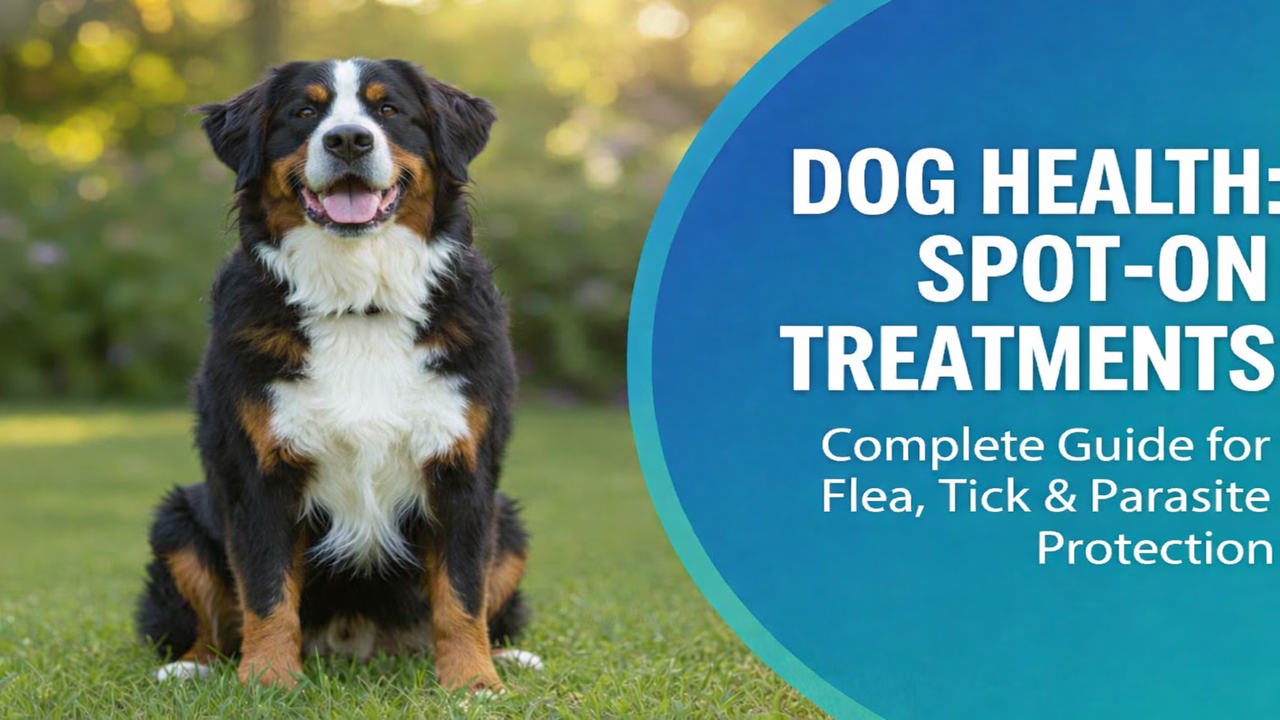
Keeping your dog healthy goes beyond proper nutrition and regular exercise. One of the most critical—but often overlooked—areas of dog health is parasite prevention. Fleas, ticks, lice, and mites are more than just annoying pests; they can transmit serious diseases and cause long-term health problems.
Among the most popular and effective solutions available today are spot-on treatments. These topical medications are easy to apply, highly effective, and widely recommended by veterinarians. In this comprehensive guide, we’ll explore everything you need to know about dog health and spot-on treatments, including how they work, benefits, risks, application tips, and how to choose the best option for your dog.
What Are Spot-On Treatments for Dogs?
Spot-on treatments are topical liquid medications applied directly to a dog’s skin, usually at the back of the neck or between the shoulder blades. Once applied, the medication spreads across the skin or is absorbed into the bloodstream to protect against parasites.
Most spot-on treatments are designed to protect dogs from:
- Fleas
- Ticks
- Lice
- Mites
- Mosquitoes (some products)
- Internal parasites (certain advanced formulas)
These treatments are commonly used monthly, though some provide protection for longer periods depending on the product.
Why Spot-On Treatments Are Important for Dog Health
Parasites can cause more than itching and discomfort. Without proper prevention, dogs may suffer from:
- Flea Allergy Dermatitis (FAD)
- Anemia (especially in puppies)
- Lyme disease
- Ehrlichiosis
- Babesiosis
- Tapeworm infections
- Skin infections and hair loss
Spot-on treatments help break the parasite life cycle, preventing infestations before they start and protecting both your dog and your household.
How Do Spot-On Treatments Work?
Spot-on treatments work in two primary ways, depending on the active ingredients:
1. Skin Distribution (Contact Killers)
These products spread across the dog’s skin oils. Parasites die upon contact without needing to bite. This is effective for immediate flea and tick control.
2. Systemic Absorption
Some treatments are absorbed into the bloodstream. When parasites bite the dog, they ingest the active ingredient and die. These formulas often offer longer-lasting protection.
Key Benefits of Spot-On Treatments
Spot-on treatments are one of the most popular parasite control methods—and for good reason.
✔ Easy to Apply
No pills, no stress. Just apply the liquid to the skin in seconds.
✔ Long-Lasting Protection
Most products offer 30 days or more of continuous protection.
✔ Broad-Spectrum Coverage
Many spot-on treatments protect against multiple parasites at once.
✔ Cost-Effective
Compared to repeated vet visits or parasite treatment after infestation, prevention saves money.
✔ Safe When Used Correctly
Veterinarian-approved formulas are generally safe for dogs of all sizes and breeds.
Types of Spot-On Treatments for Dogs
Flea-Only Treatments
These focus solely on killing fleas and flea eggs. Ideal for dogs in low-tick areas.
Flea and Tick Treatments
The most common option, offering broad protection against two major parasites.
Multi-Parasite Treatments
Advanced formulas may also protect against mites, lice, heartworm, or intestinal worms.
Common Active Ingredients in Spot-On Treatments
Understanding ingredients helps you choose the safest and most effective product:
- Fipronil – Kills fleas and ticks on contact
- Imidacloprid – Effective against fleas
- Permethrin – Repels ticks and mosquitoes (⚠️ toxic to cats)
- Selamectin – Treats fleas, mites, heartworm, and worms
- Moxidectin – Broad-spectrum parasite control
⚠️ Always read labels carefully, especially if you have cats in the household.
How to Apply Spot-On Treatments Correctly
Proper application is essential for effectiveness and safety.
Step-by-Step Application Guide:
- Ensure your dog’s coat is dry
- Part the fur to expose the skin
- Apply the full dose directly to the skin
- Avoid touching the area until dry
- Do not bathe your dog for 24–48 hours
Application Tips:
- Apply between the shoulder blades to prevent licking
- Wash your hands after application
- Keep children away from the treated area until dry
Are Spot-On Treatments Safe for Dogs?
When used as directed, spot-on treatments are generally safe. However, improper use or incorrect dosing can lead to side effects.
Possible Side Effects:
- Mild skin irritation
- Temporary hair loss at application site
- Lethargy
- Excessive drooling (if licked)
When to Contact a Vet:
- Severe itching or redness
- Vomiting or diarrhea
- Tremors or seizures
- Unusual behavior
Always choose a product appropriate for your dog’s weight, age, and health condition.
Spot-On Treatments for Puppies and Senior Dogs
Puppies
Most spot-on treatments are safe for puppies 8 weeks or older, but always check the label.
Senior Dogs
Older dogs may have sensitive skin or underlying health issues. Consult a veterinarian before choosing a product.
Spot-On Treatments vs Other Parasite Control Methods
| Method | Pros | Cons |
|---|---|---|
| Spot-On Treatments | Easy, effective, affordable | Skin sensitivity in rare cases |
| Oral Tablets | Long-lasting, no residue | Some dogs resist pills |
| Flea Collars | Continuous protection | Can cause neck irritation |
| Sprays/Shampoos | Immediate relief | Short-term effectiveness |
Spot-on treatments offer a balance of convenience, safety, and effectiveness.
How Often Should You Use Spot-On Treatments?
Most products are applied once a month, but some provide:
- 6–8 weeks of protection
- Up to 12 weeks (select formulas)
Consistency is key. Skipping doses increases the risk of infestation.
Choosing the Best Spot-On Treatment for Your Dog
When selecting a product, consider:
- Your dog’s size and weight
- Local parasite risks
- Presence of cats in the home
- Your dog’s health history
- Vet recommendations
Avoid cheap, unverified products that may lack safety testing.
Can Spot-On Treatments Be Used Year-Round?
Yes. Parasites can survive indoors even during winter. Year-round protection ensures:
- Continuous flea prevention
- Reduced risk of tick-borne diseases
- Lower chance of household infestations
Environmental Impact and Household Safety
Spot-on treatments are designed to target parasites with minimal environmental impact when used correctly. However:
- Avoid washing your dog in lakes or rivers shortly after application
- Dispose of packaging responsibly
Frequently Asked Questions (FAQ)
1. How long does a spot-on treatment take to work?
Most spot-on treatments start killing fleas within 12–24 hours, with full effectiveness within a few days.
2. Can I bathe my dog after applying a spot-on treatment?
It’s best to wait 24–48 hours after application to allow proper absorption.
3. Are spot-on treatments safe for all dog breeds?
Yes, when used correctly and according to weight guidelines. Always check breed-specific warnings.
4. What happens if my dog licks the treatment?
Mild drooling may occur, but serious reactions are rare. Contact your vet if symptoms persist.
5. Can spot-on treatments be used with other medications?
Some combinations are safe, but always consult a veterinarian before mixing treatments.
6. Do spot-on treatments kill flea eggs?
Many products target adult fleas and disrupt the flea life cycle, reducing egg development.
7. Is it safe to touch my dog after applying spot-on treatment?
Wait until the application area is fully dry before touching.
8. Can puppies use spot-on treatments?
Yes, but only products specifically labeled for puppies and age-appropriate use.
Final Thoughts: Are Spot-On Treatments Worth It?
Spot-on treatments are a proven, effective, and convenient solution for maintaining optimal dog health. By preventing fleas, ticks, and other parasites, these treatments protect your dog from discomfort, disease, and long-term health complications.
When chosen carefully and used consistently, spot-on treatments can play a vital role in keeping your dog happy, healthy, and parasite-free all year round.