Dog Health: Skin Treatments & Oils – A Complete Guide for Healthy, Itch-Free Skin
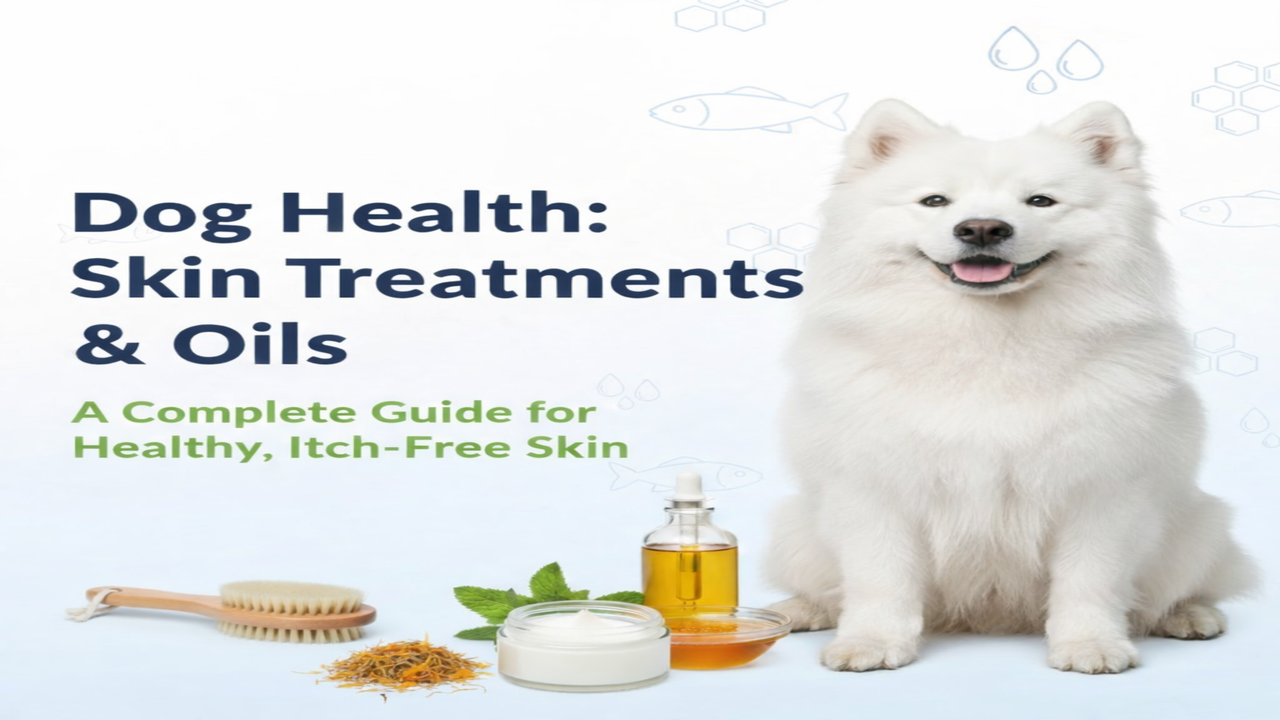
A dog’s skin is more than just a protective layer—it’s a key indicator of their overall health. From dryness and itching to rashes and infections, skin problems are among the most common health issues dogs face. Fortunately, with the right skin treatments and oils, many of these problems can be managed or even prevented.
In this comprehensive guide, we’ll explore everything you need to know about dog skin health, including common skin conditions, effective treatments, natural and medicated oils, how to choose the right product, and preventive care tips. Whether your dog suffers from seasonal allergies or chronic skin irritation, this article will help you make informed decisions for your pet’s comfort and well-being.
Understanding Dog Skin Health
A dog’s skin acts as a barrier against bacteria, allergens, and environmental damage. Healthy skin should be smooth, flexible, and free from excessive flakes, redness, or sores. When the skin barrier is compromised, it can lead to discomfort, itching, hair loss, and infections.
Why Skin Health Matters
- Protects against bacteria and parasites
- Helps regulate body temperature
- Supports coat growth and shine
- Prevents chronic infections and inflammation
Poor skin health can significantly affect a dog’s quality of life, leading to constant scratching, pain, and behavioral changes.
Common Skin Problems in Dogs
Before choosing a treatment or oil, it’s important to understand the underlying issue. Some of the most common dog skin problems include:
1. Dry Skin
Dry, flaky skin is often caused by low humidity, poor nutrition, excessive bathing, or harsh shampoos.
2. Allergies
Dogs can suffer from food allergies, environmental allergies (pollen, dust mites), or contact allergies from chemicals or fabrics.
3. Hot Spots
Hot spots are moist, inflamed areas caused by excessive licking or scratching, often triggered by allergies or insect bites.
4. Bacterial and Fungal Infections
Yeast and bacterial infections thrive in warm, moist areas and can cause redness, odor, and discharge.
5. Parasite-Related Skin Issues
Fleas, mites, and ticks can cause intense itching, hair loss, and secondary infections.
Types of Dog Skin Treatments
Dog skin treatments come in various forms depending on the severity and cause of the problem.
Topical Skin Treatments
- Medicated creams and ointments
- Antibacterial and antifungal sprays
- Anti-itch lotions
These treatments are applied directly to affected areas for fast relief.
Medicated Shampoos
Special shampoos help treat infections, reduce inflammation, and soothe irritated skin when used as directed.
Oral Supplements
Skin and coat supplements containing omega fatty acids, zinc, and vitamins support skin health from the inside.
The Role of Oils in Dog Skin Care
Natural and therapeutic oils have become increasingly popular in dog skin care due to their soothing and moisturizing properties. When used correctly, oils can be a powerful addition to your dog’s skincare routine.
Benefits of Using Oils
- Moisturize dry and flaky skin
- Reduce itching and inflammation
- Support skin barrier repair
- Improve coat shine and softness
Best Oils for Dog Skin Treatments
1. Coconut Oil
Coconut oil is one of the most widely used oils for dogs.
Benefits:
- Antibacterial and antifungal properties
- Deep moisturizing effect
- Helps soothe itching and minor wounds
How to Use:
Apply a small amount topically or mix a tiny portion into food (with vet approval).
2. Fish Oil (Omega-3 & Omega-6)
Fish oil is excellent for dogs with allergies and chronic skin conditions.
Benefits:
- Reduces inflammation
- Improves coat quality
- Supports immune health
Best For: Dogs with itchy skin, allergies, or dull coats.
3. Olive Oil
Olive oil is gentle and easy to digest.
Benefits:
- Helps relieve dry skin
- Supports healthy coat growth
- Provides antioxidants
Use Tip: Best used in small amounts mixed with food.
4. Hemp Seed Oil
Hemp oil contains an ideal balance of fatty acids.
Benefits:
- Supports skin hydration
- Helps reduce allergic reactions
- Promotes overall skin resilience
5. Jojoba Oil
Jojoba oil closely mimics natural skin oils.
Benefits:
- Non-greasy and fast-absorbing
- Helps with dry patches and irritation
- Ideal for sensitive skin
6. Calendula Oil
Calendula oil is known for its calming properties.
Benefits:
- Reduces redness and swelling
- Supports wound healing
- Useful for hot spots and minor cuts
Natural vs Medicated Skin Treatments
Natural Treatments
Best for mild to moderate skin issues and long-term maintenance.
Pros:
- Fewer side effects
- Gentle on sensitive skin
- Suitable for long-term use
Cons:
- Slower results for severe conditions
Medicated Treatments
Recommended for infections and chronic skin conditions.
Pros:
- Fast and targeted results
- Vet-approved effectiveness
Cons:
- May cause side effects
- Often requires veterinary supervision
How to Choose the Right Skin Treatment or Oil
When selecting a product, consider the following:
- Identify the Cause – Allergy, dryness, infection, or parasites
- Check Ingredients – Avoid artificial fragrances and harsh chemicals
- Dog’s Skin Type – Sensitive, oily, or dry
- Veterinary Advice – Especially for severe or persistent conditions
How to Apply Skin Treatments and Oils Safely
- Always start with a small patch test
- Use clean hands or applicators
- Prevent licking if the oil is topical
- Follow dosage guidelines carefully
Consistency is key—regular application yields the best results.
Preventing Skin Problems in Dogs
Prevention is always better than treatment. Here are some essential tips:
- Feed a balanced, nutrient-rich diet
- Bathe with dog-specific shampoos
- Brush regularly to remove debris
- Maintain parasite control
- Keep your dog hydrated
- Schedule regular vet checkups
When to See a Veterinarian
While mild skin issues can be managed at home, consult a vet if your dog experiences:
- Persistent itching or redness
- Open sores or bleeding
- Foul odor from skin
- Hair loss with inflammation
- No improvement after treatment
Early diagnosis prevents complications.
FAQs: Dog Health – Skin Treatments & Oils
1. Are natural oils safe for dogs?
Yes, most natural oils are safe when used correctly and in appropriate amounts. Always choose dog-safe oils and consult your vet if unsure.
2. Can I use human skin oils on my dog?
Some human oils are safe, but many products contain additives that may harm dogs. Always use pet-specific or vet-approved oils.
3. How often should I apply oil to my dog’s skin?
This depends on the condition and oil type. Typically, 2–3 times per week is sufficient unless advised otherwise by a vet.
4. What oil is best for itchy dog skin?
Fish oil, coconut oil, and hemp seed oil are commonly recommended for itchy and inflamed skin.
5. Can oils replace medicated treatments?
Oils can help manage mild issues but should not replace prescribed medication for infections or serious skin conditions.
6. Is it safe if my dog licks the oil?
Some oils like coconut oil are safe in small amounts, but excessive licking should be avoided.
7. How long does it take to see results?
Minor improvements may appear within a few days, while chronic issues may take several weeks of consistent use.
8. Can puppies use skin oils?
Yes, but only mild oils and in very small amounts. Always check with a vet first.
Final Thoughts
Maintaining healthy skin is essential for your dog’s comfort, appearance, and overall health. With the right combination of skin treatments and nourishing oils, many common skin issues can be effectively managed or prevented. Whether you choose natural remedies, medicated solutions, or a combination of both, understanding your dog’s specific needs is the key to success.
A happy dog starts with healthy skin—and with proper care, your furry friend can enjoy an itch-free, comfortable life.