Dog Health: Essential Tips for a Happy, Healthy Pet
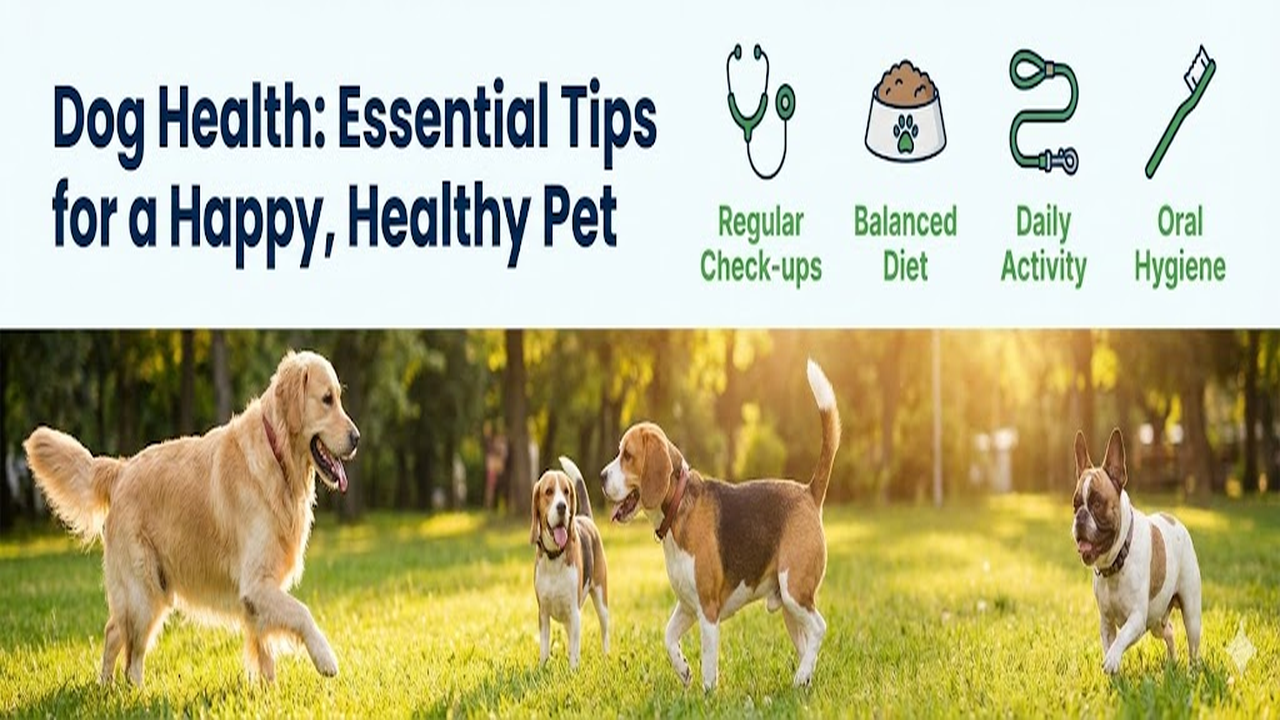
Dogs are more than just pets—they are family. As loyal companions, they rely on us for everything from nutrition and exercise to emotional support and medical care. Maintaining good dog health is essential for ensuring a long, joyful, and active life for your furry friend.
Dog health is not just about avoiding illness; it’s about creating a balanced lifestyle that supports physical strength, mental clarity, and emotional happiness. In this in-depth guide, we’ll cover essential dog health tips that every pet owner should know, from nutrition and exercise to preventive care and mental well-being.
Understanding Dog Health: What Does It Really Mean?
Dog health is a holistic concept that includes:
- Physical wellness
- Mental stimulation
- Emotional stability
- Preventive medical care
A healthy dog typically has:
- A shiny coat and healthy skin
- Bright eyes and clean ears
- Strong teeth and gums
- A healthy appetite
- Consistent energy levels
When any of these areas are neglected, it can negatively affect your dog’s overall quality of life.
Proper Nutrition: The Cornerstone of Dog Health
Choosing the Right Dog Food
Nutrition is the foundation of good dog health. A balanced diet supports:
- Strong immunity
- Healthy digestion
- Muscle development
- Brain function
Always choose high-quality dog food that contains:
- Real animal protein as the first ingredient
- Essential vitamins and minerals
- Healthy fats for skin and coat
- No artificial preservatives or fillers
Life-Stage Nutrition Matters
Different stages of a dog’s life require different nutritional support:
- Puppies need calorie-dense food for growth
- Adult dogs require balanced maintenance diets
- Senior dogs benefit from joint support and lower calories
Consult your veterinarian before switching food types.
Hydration: A Vital but Often Ignored Factor
Water is essential for digestion, circulation, and temperature regulation. Dehydration can quickly lead to serious health issues.
Tips to Keep Your Dog Hydrated
- Always provide fresh, clean water
- Wash water bowls daily
- Increase water intake during hot weather or exercise
- Use travel water bottles during walks
If your dog shows signs of excessive thirst or reduced drinking, seek veterinary advice.
Exercise: Keeping Your Dog Fit and Active
Regular exercise is crucial for maintaining physical fitness and preventing obesity.
Benefits of Daily Exercise
- Maintains a healthy weight
- Strengthens muscles and joints
- Improves heart health
- Reduces stress and anxiety
- Prevents destructive behaviors
Exercise Needs by Breed
- High-energy breeds: 1–2 hours daily
- Medium-energy breeds: 45–60 minutes
- Low-energy or senior dogs: Gentle walks and play
Consistency is more important than intensity.
Mental Stimulation: Supporting Cognitive Health
Mental health is just as important as physical health for dogs. A bored dog can become anxious, depressed, or destructive.
Ways to Stimulate Your Dog’s Mind
- Puzzle toys
- Obedience training
- Learning new tricks
- Interactive games
- Scent-based activities
Mental enrichment keeps your dog sharp and emotionally balanced.
Preventive Veterinary Care: Catching Problems Early
Regular Vet Checkups
Routine veterinary visits help identify health problems before they become serious. Annual or bi-annual exams typically include:
- Physical assessment
- Vaccination updates
- Parasite screening
- Dental evaluation
Vaccinations and Parasite Prevention
Vaccines protect dogs from life-threatening diseases such as rabies and distemper. Parasite prevention helps avoid fleas, ticks, heartworms, and intestinal worms.
Preventive care saves lives and reduces long-term medical costs.
Dental Health: Often Overlooked but Critically Important
Dental disease is one of the most common health issues in dogs and can lead to infections affecting the heart, liver, and kidneys.
Signs of Dental Problems
- Bad breath
- Yellow or brown tartar buildup
- Red or bleeding gums
- Difficulty eating
Dental Care Tips
- Brush your dog’s teeth regularly
- Use vet-approved dental chews
- Schedule professional cleanings if needed
Healthy teeth are essential for overall dog health.
Grooming and Hygiene: More Than Just Appearance
Grooming is vital for maintaining skin health and detecting early signs of illness.
Grooming Benefits
- Reduces shedding and matting
- Prevents skin infections
- Improves blood circulation
- Strengthens the human-dog bond
Grooming Essentials
- Brush according to coat type
- Bathe using dog-safe shampoo
- Trim nails regularly
- Clean ears to prevent infection
Regular grooming improves comfort and confidence.
Weight Management and Obesity Prevention
Obesity is a growing concern in dogs and can lead to serious health problems such as diabetes, arthritis, and heart disease.
How to Maintain a Healthy Weight
- Measure food portions accurately
- Limit treats
- Avoid table scraps
- Encourage daily exercise
A healthy weight adds years to your dog’s life.
Emotional Health and Socialization
Dogs are social animals that need love, attention, and routine.
Why Emotional Health Matters
Stress and loneliness can weaken immunity and cause behavioral issues.
Ways to Support Emotional Well-Being
- Spend quality time together
- Maintain consistent routines
- Use positive reinforcement training
- Allow safe socialization with other dogs
A happy dog is a healthier dog.
Dog Health at Different Life Stages
Puppy Health
- Early vaccinations
- Proper training and socialization
- Nutrient-rich puppy food
Adult Dog Care
- Balanced diet
- Regular exercise
- Preventive vet visits
Senior Dog Health
- Joint supplements
- Comfortable bedding
- Frequent health checkups
Adjusting care ensures comfort at every stage of life.
Common Dog Health Problems to Watch For
Early detection is key. Watch for:
- Sudden weight changes
- Lethargy
- Vomiting or diarrhea
- Loss of appetite
- Excessive scratching
Seek veterinary help if symptoms persist.
Creating a Safe and Healthy Environment
Your home environment plays a major role in dog health.
Safety Tips
- Remove toxic plants and chemicals
- Secure trash and food storage
- Provide non-slip flooring
- Create a quiet resting space
A safe environment reduces stress and injuries.
Final Thoughts: A Healthy Dog Is a Happy Dog
Caring for your dog’s health is a lifelong commitment that requires love, consistency, and attention. By focusing on nutrition, exercise, mental stimulation, preventive care, and emotional well-being, you give your dog the best possible life.
A healthy dog rewards you with loyalty, joy, and unconditional love.
Frequently Asked Questions (FAQ)
1. How often should I take my dog to the vet?
Adult dogs should visit the vet at least once a year. Puppies and senior dogs may need more frequent checkups.
2. What is the best diet for dog health?
The best diet is a high-quality, balanced dog food appropriate for your dog’s age, size, and activity level. Consult your vet for personalized advice.
3. How much exercise does a dog need daily?
Most dogs need 30–60 minutes of exercise daily, but high-energy breeds may require more.
4. How can I tell if my dog is healthy?
Signs of good health include a shiny coat, clear eyes, healthy appetite, normal energy levels, and regular bowel movements.
5. Is mental stimulation really important for dogs?
Yes. Mental stimulation prevents boredom, reduces anxiety, and improves overall behavior and cognitive health.
6. What are common signs of illness in dogs?
Common signs include vomiting, diarrhea, lethargy, loss of appetite, excessive scratching, and sudden behavioral changes.
7. How can I improve my senior dog’s health?
Provide joint supplements, softer bedding, gentle exercise, and more frequent veterinary checkups.
8. How important is dental care for dogs?
Dental care is extremely important. Poor dental health can lead to infections and serious internal organ damage.