Dog Health: Dog Brushes & Combs – The Complete Guide to Grooming for a Healthier, Happier Dog
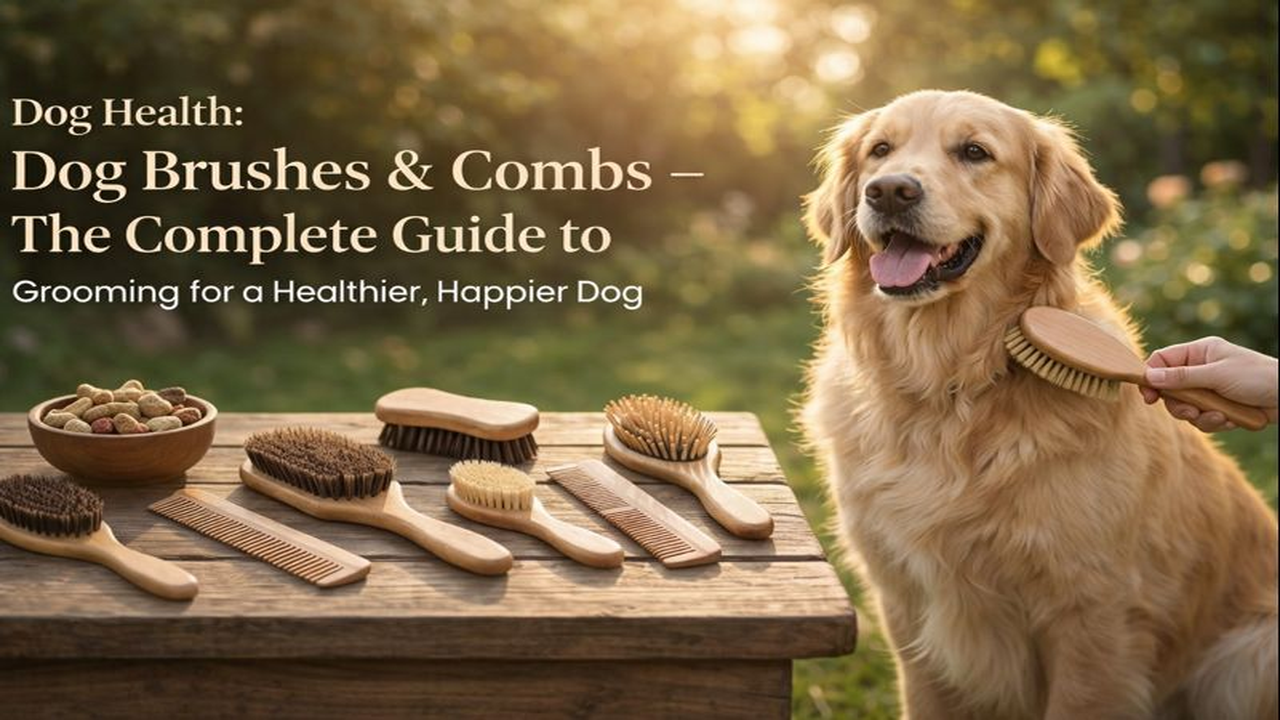
Proper grooming is far more than a cosmetic routine—it’s a vital part of dog health. Among all grooming tools, dog brushes and combs play a central role in maintaining healthy skin, a shiny coat, and overall comfort for your furry companion. Whether your dog has short hair, long hair, curly fur, or a double coat, choosing the right brush or comb can make a remarkable difference in their well-being.
In this in-depth guide, we’ll explore everything you need to know about dog brushes & combs, including types, benefits, how to choose the right one, brushing techniques, common mistakes, and answers to frequently asked questions. By the end, you’ll understand why regular brushing is one of the simplest yet most powerful ways to support your dog’s health.
Why Dog Brushes & Combs Are Essential for Dog Health
Many pet owners think brushing is only about reducing shedding or keeping their dog looking good. In reality, brushing has direct health benefits:
1. Promotes Healthy Skin
Brushing stimulates blood circulation in the skin, which helps distribute natural oils. These oils keep the skin moisturized and reduce dryness, flakiness, and irritation.
2. Prevents Mats and Tangles
Matted fur can pull painfully on the skin, trap dirt, and even hide parasites or wounds. Regular brushing prevents mats that can lead to skin infections.
3. Reduces Shedding
Loose hair is removed before it falls on your furniture—or forms clumps on your dog’s coat. This is especially important for heavy shedders.
4. Early Detection of Health Issues
While brushing, you can spot lumps, bumps, cuts, fleas, ticks, or signs of allergies early, allowing faster veterinary care.
5. Improves Comfort and Mental Well-being
Brushing can be relaxing for dogs. It strengthens the bond between you and your pet while reducing stress and anxiety.
Understanding Dog Coat Types Before Choosing a Brush
Not all dogs have the same coat, and using the wrong tool can cause discomfort or ineffective grooming. Here are the main coat types:
Short Coat
Examples: Beagle, Boxer, Dalmatian
- Smooth, close-lying hair
- Sheds regularly but doesn’t tangle easily
Medium Coat
Examples: Golden Retriever, Border Collie
- Longer hair with moderate shedding
- May develop tangles behind ears and legs
Long Coat
Examples: Shih Tzu, Afghan Hound
- Prone to mats and knots
- Requires frequent brushing
Curly or Wavy Coat
Examples: Poodle, Labradoodle
- Hair grows continuously
- Mats easily if not brushed often
Double Coat
Examples: German Shepherd, Husky
- Dense undercoat with a longer topcoat
- Heavy seasonal shedding
Understanding your dog’s coat type is the first step in choosing the right dog brush or comb.
Types of Dog Brushes and Their Benefits
1. Slicker Brushes
Best for: Long-haired, curly, and double-coated dogs
Slicker brushes have fine, short wires close together. They are excellent for removing tangles, mats, and loose fur.
Health benefits:
- Prevents painful matting
- Removes debris trapped in the coat
- Keeps skin clean and aerated
Tip: Use gentle strokes to avoid skin irritation.
2. Bristle Brushes
Best for: Short-haired and smooth-coated dogs
These brushes have soft or firm bristles that remove surface dirt and loose hair.
Health benefits:
- Stimulates natural oil production
- Adds shine to the coat
- Gentle on sensitive skin
3. Pin Brushes
Best for: Medium to long coats
Pin brushes resemble human hairbrushes with rounded metal pins.
Health benefits:
- Detangles fur without pulling
- Comfortable for daily brushing
- Helps maintain coat length and texture
4. Undercoat Rakes
Best for: Double-coated dogs
Designed to reach deep into the undercoat, these tools remove thick, loose fur.
Health benefits:
- Reduces heavy shedding
- Prevents overheating
- Improves airflow to the skin
5. Deshedding Tools
Best for: Heavy shedders
These tools remove loose undercoat hair efficiently.
Health benefits:
- Minimizes shedding around the home
- Prevents fur buildup on the dog’s body
- Keeps skin healthier during seasonal coat changes
Types of Dog Combs and Their Uses
1. Wide-Tooth Combs
Best for: Thick, curly, or long coats
Used to gently remove tangles and mats.
2. Fine-Tooth Combs
Best for: Short coats or finishing touches
Great for removing fleas, debris, and small knots.
3. Combination Combs
One side wide-toothed, the other fine-toothed—perfect for overall grooming.
How to Choose the Right Dog Brush or Comb
When selecting grooming tools, consider these factors:
- Coat type and length
- Dog size and breed
- Skin sensitivity
- Shedding level
- Your dog’s comfort and temperament
Investing in a high-quality brush or comb tailored to your dog’s needs can prevent discomfort and improve grooming results.
How Often Should You Brush Your Dog?
Brushing frequency depends on coat type:
- Short-haired dogs: 1–2 times per week
- Medium-haired dogs: 2–3 times per week
- Long-haired dogs: Daily or every other day
- Curly or double-coated dogs: 3–5 times per week
Regular brushing reduces the need for frequent baths and keeps the coat healthier.
Proper Brushing Technique for Maximum Health Benefits
- Start with short, gentle strokes
- Brush in the direction of hair growth
- Be extra gentle around sensitive areas (ears, belly, tail)
- Use a comb after brushing to check for tangles
- Reward your dog with praise or treats
Never rush grooming—it should be a calm, positive experience.
Common Brushing Mistakes to Avoid
- Using the wrong brush for the coat type
- Brushing too hard and irritating the skin
- Ignoring mats until they become severe
- Brushing only the topcoat and missing the undercoat
- Grooming too infrequently
Avoiding these mistakes ensures brushing remains safe and beneficial.
Dog Brushes, Combs, and Overall Grooming Routine
Brushing works best when combined with other grooming practices:
- Bathing: Removes dirt and allergens
- Nail trimming: Prevents joint and posture issues
- Ear cleaning: Reduces infections
- Dental care: Supports oral health
Together, these practices form a complete dog health routine.
Signs Your Dog Needs a Different Brush or Comb
- Your dog resists grooming
- Redness or irritation after brushing
- Mats forming quickly
- Excessive shedding despite brushing
If you notice these signs, switching tools may improve comfort and results.
FAQs: Dog Health – Dog Brushes & Combs
1. Why is brushing important for dog health?
Brushing promotes healthy skin, reduces shedding, prevents mats, and allows early detection of health issues like parasites or skin conditions.
2. Can brushing replace bathing?
No. Brushing reduces dirt and loose hair but does not fully clean the coat. Both are important for overall hygiene.
3. What brush is best for shedding dogs?
Undercoat rakes and deshedding tools work best for dogs with heavy or double coats.
4. Is daily brushing bad for dogs?
Not at all—if you use the right brush and gentle technique. For long-haired dogs, daily brushing is often recommended.
5. Can brushing hurt my dog’s skin?
Using the wrong tool or applying too much pressure can cause irritation. Always choose a brush suitable for your dog’s coat and skin sensitivity.
6. Should puppies be brushed too?
Yes. Introducing brushing early helps puppies become comfortable with grooming and supports healthy coat development.
7. How do I remove mats safely?
Use a slicker brush or wide-tooth comb and work slowly from the tips toward the skin. Severe mats may require professional grooming.
8. Are expensive brushes better?
Not always, but high-quality brushes often last longer, are more comfortable for dogs, and work more effectively.
9. Can brushing help with allergies?
Yes. Regular brushing removes allergens like pollen and dust trapped in the coat, which can reduce allergy symptoms.
10. When should I see a groomer or vet?
If mats are severe, shedding is excessive, or you notice skin problems during brushing, consult a professional groomer or veterinarian.
Final Thoughts: Healthy Dogs Start with the Right Brush
Dog brushes and combs are not just grooming accessories—they are essential tools for dog health and happiness. The right brush keeps your dog comfortable, supports healthy skin, reduces shedding, and strengthens your bond through regular care.
By understanding your dog’s coat type, choosing appropriate tools, and maintaining a consistent brushing routine, you’re taking a simple yet powerful step toward a healthier, happier life for your pet. 🐶✨