Dog Health: Digestive Health – A Complete Guide to Keeping Your Dog’s Gut Healthy
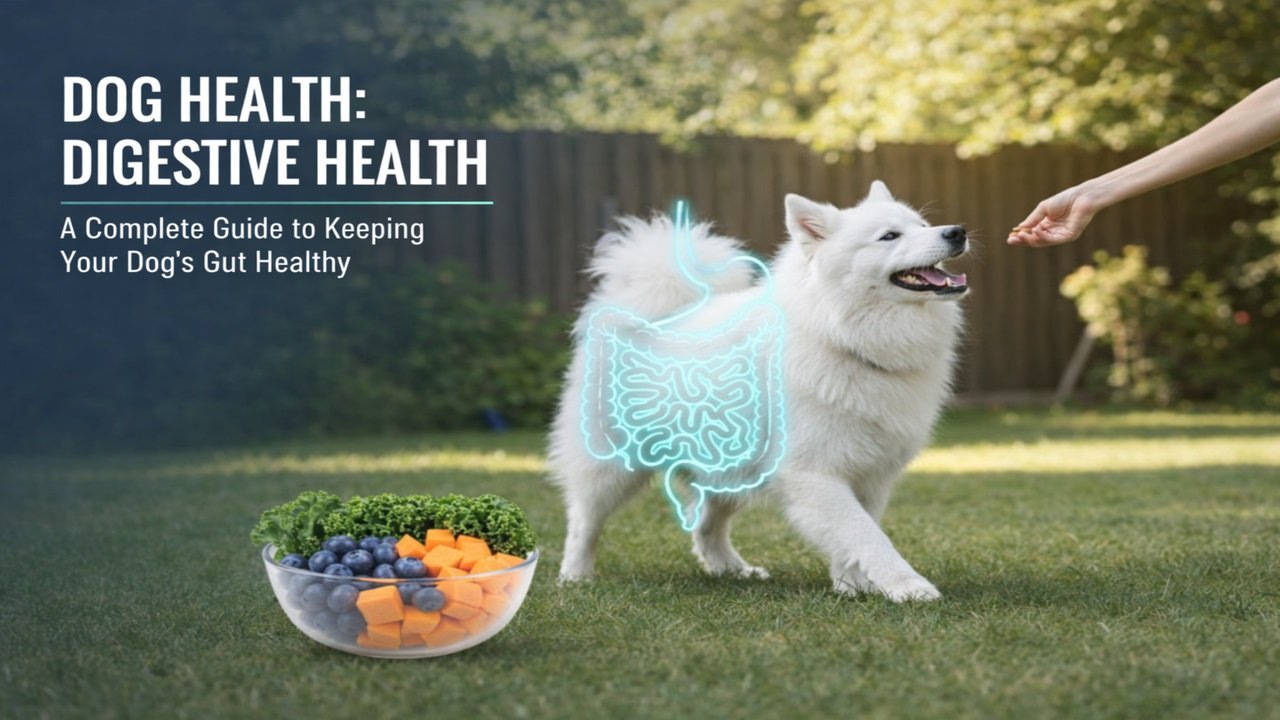
Digestive health plays a vital role in your dog’s overall well-being. A healthy digestive system allows your dog to absorb nutrients efficiently, maintain energy levels, support immunity, and enjoy a happy, active life. When digestion is compromised, dogs can experience discomfort, poor nutrition, and long-term health problems.
In this comprehensive guide, we will explore dog digestive health, common digestive issues, causes of stomach problems, signs to watch for, and practical ways to support and improve your dog’s gut health naturally and safely.
Understanding Your Dog’s Digestive System
A dog’s digestive system is designed to process food quickly and efficiently. It includes:
- Mouth and teeth (for chewing and saliva production)
- Esophagus
- Stomach
- Small intestine (nutrient absorption)
- Large intestine (water absorption and waste formation)
- Liver and pancreas (digestive enzymes and bile)
When all parts work together properly, your dog can digest food, absorb nutrients, and eliminate waste without discomfort.
Why Digestive Health Is Important for Dogs
Good digestive health affects nearly every aspect of your dog’s body. A healthy gut helps:
- Improve nutrient absorption
- Strengthen the immune system
- Maintain healthy skin and coat
- Support stable energy levels
- Reduce allergies and food sensitivities
- Prevent chronic illness
In fact, nearly 70% of a dog’s immune system is located in the gut, making digestive health a cornerstone of overall wellness.
Common Digestive Problems in Dogs
Digestive issues are among the most common health concerns in dogs. Some frequent problems include:
1. Diarrhea
Loose or watery stools can result from diet changes, infections, stress, parasites, or food intolerances.
2. Constipation
Difficulty passing stool may be caused by dehydration, lack of fiber, or insufficient exercise.
3. Vomiting
Occasional vomiting can be normal, but frequent vomiting may indicate food allergies, gastritis, or more serious conditions.
4. Gas and Bloating
Excess gas may be caused by low-quality food, eating too fast, or swallowing air.
5. Food Sensitivities
Some dogs react poorly to specific ingredients such as grains, dairy, or certain proteins.
6. Inflammatory Bowel Disease (IBD)
A chronic condition causing inflammation of the digestive tract, leading to diarrhea, vomiting, and weight loss.
Signs of Poor Digestive Health in Dogs
Recognizing symptoms early can help prevent serious complications. Watch for:
- Frequent diarrhea or constipation
- Vomiting or regurgitation
- Excessive gas
- Loss of appetite
- Weight loss
- Lethargy
- Mucus or blood in stool
- Dull coat or skin problems
If symptoms persist for more than 24–48 hours, veterinary attention is recommended.
Causes of Digestive Problems in Dogs
Several factors can disrupt your dog’s digestive health:
Poor Diet
Low-quality foods with fillers, artificial additives, and low digestibility can irritate the gut.
Sudden Diet Changes
Switching foods too quickly can shock the digestive system.
Stress and Anxiety
Travel, boarding, loud noises, or changes in routine can trigger digestive upset.
Parasites
Worms and intestinal parasites interfere with nutrient absorption.
Bacterial or Viral Infections
Contaminated food or water may introduce harmful pathogens.
Lack of Exercise
Physical activity helps stimulate normal digestion and bowel movements.
Best Foods for Dog Digestive Health
A balanced, high-quality diet is the foundation of digestive wellness.
Easily Digestible Proteins
- Chicken
- Turkey
- Fish
- Lamb
Healthy Carbohydrates
- Brown rice
- Sweet potatoes
- Pumpkin
- Oats
Fiber-Rich Foods
Fiber supports bowel regularity and gut bacteria.
- Pumpkin (excellent for diarrhea and constipation)
- Carrots
- Green beans
Healthy Fats
Omega-3 fatty acids reduce inflammation.
- Fish oil
- Flaxseed oil
The Role of Probiotics and Prebiotics
Probiotics
Probiotics are beneficial bacteria that help balance the gut microbiome. They can:
- Improve stool quality
- Reduce diarrhea
- Strengthen immunity
- Aid digestion
Prebiotics
Prebiotics are fibers that feed good bacteria, helping them thrive.
Many high-quality dog foods and supplements include both probiotics and prebiotics for optimal gut health.
How to Improve Your Dog’s Digestive Health Naturally
Here are practical steps you can take:
1. Feed a Consistent, High-Quality Diet
Avoid frequent food changes unless necessary.
2. Transition Food Slowly
Mix old and new food over 7–10 days.
3. Provide Fresh Water
Hydration is essential for digestion and stool formation.
4. Control Portion Sizes
Overfeeding can overwhelm the digestive system.
5. Encourage Regular Exercise
Daily walks improve intestinal motility.
6. Reduce Stress
Maintain a stable routine and safe environment.
7. Use Digestive Supplements
Consult your vet before adding probiotics or enzymes.
Special Digestive Needs by Life Stage
Puppies
Puppies have sensitive stomachs and need easily digestible food with proper nutrients for growth.
Adult Dogs
Balanced nutrition and routine feeding help maintain stable digestion.
Senior Dogs
Older dogs may benefit from higher fiber, joint-friendly nutrients, and digestive enzymes.
When to See a Veterinarian
Seek veterinary care if your dog experiences:
- Persistent vomiting or diarrhea
- Blood in stool
- Sudden weight loss
- Severe abdominal pain
- Loss of appetite for more than 24 hours
Early diagnosis can prevent serious complications.
Preventing Digestive Issues in Dogs
Prevention is always better than treatment. You can protect your dog’s digestive health by:
- Feeding premium, digestible food
- Avoiding table scraps
- Maintaining parasite control
- Scheduling regular vet checkups
- Keeping harmful objects out of reach
Frequently Asked Questions (FAQ)
1. What is the best food for dog digestive health?
High-quality dog food with natural ingredients, easily digestible proteins, fiber, and probiotics is best for digestive health.
2. Can probiotics help my dog’s digestion?
Yes, probiotics help balance gut bacteria, improve stool quality, and support immune health.
3. Is pumpkin good for dogs with digestive issues?
Yes, pumpkin is rich in fiber and helps with both diarrhea and constipation.
4. How long does it take to improve digestive health?
Mild issues may improve within a few days, while chronic conditions can take weeks with proper treatment.
5. Are grain-free diets better for digestion?
Not always. Some dogs digest grains well, while others benefit from grain-free diets. It depends on individual sensitivity.
6. Can stress cause digestive problems in dogs?
Yes, stress and anxiety can trigger vomiting, diarrhea, and appetite loss.
7. How often should I feed my dog?
Most adult dogs do well with two meals per day. Puppies may need three to four meals.
8. What should I do if my dog has chronic diarrhea?
Consult a veterinarian for proper diagnosis, dietary changes, and possible medication.
Final Thoughts on Dog Digestive Health
Digestive health is a cornerstone of your dog’s overall quality of life. By providing a balanced diet, maintaining consistency, reducing stress, and monitoring symptoms, you can help your dog enjoy a comfortable, energetic, and healthy life.