Dog Health: Dental Chews & Toys – The Complete Guide to Better Oral Care for Dogs
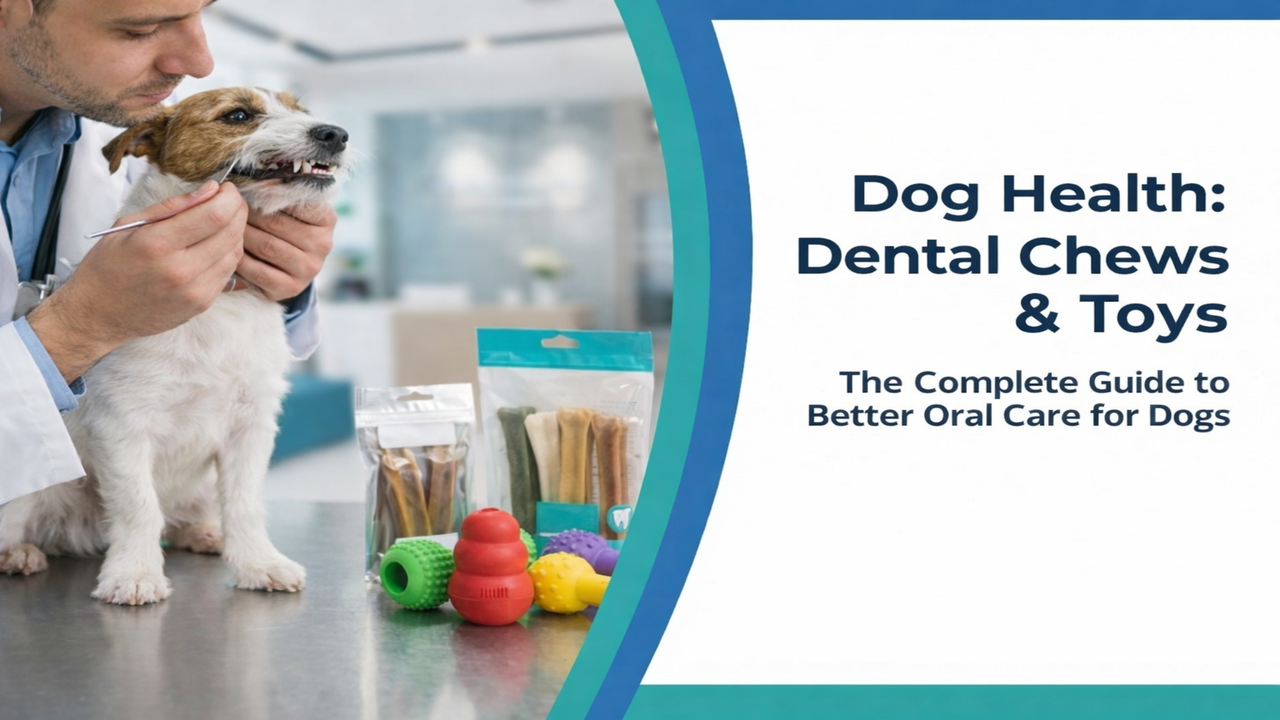
Maintaining your dog’s dental health is just as important as feeding them nutritious food and providing regular exercise. Yet, dental care is often one of the most overlooked aspects of dog health. According to veterinarians, more than 80% of dogs show signs of dental disease by the age of three. One of the easiest and most effective ways to support oral hygiene is through dental chews and toys.
Dental chews and toys are not just treats or playthings—they are powerful tools that help clean teeth, reduce plaque and tartar, strengthen gums, and even improve your dog’s overall health. In this comprehensive guide, we’ll explore everything you need to know about dog dental chews and toys, how they work, their benefits, how to choose the best options, and how to use them safely.
Why Dental Health Is Critical for Dogs
Dental problems in dogs go far beyond bad breath. Poor oral hygiene can lead to:
- Plaque and tartar buildup
- Gingivitis (gum inflammation)
- Periodontal disease
- Tooth loss
- Pain and difficulty eating
- Bacterial infections spreading to the heart, liver, and kidneys
When bacteria from the mouth enter the bloodstream, they can affect major organs, leading to serious and sometimes life-threatening conditions. This is why preventive dental care is essential.
What Are Dental Chews for Dogs?
Dental chews are specially designed edible treats that help clean your dog’s teeth while they chew. Unlike regular treats, dental chews have unique textures, shapes, and ingredients that actively support oral hygiene.
How Dental Chews Work
- The chewing action scrapes plaque from teeth
- Textured surfaces reach between teeth
- Some contain enzymes that break down bacteria
- Many freshen breath by reducing odor-causing germs
Dental chews are an excellent supplement to brushing, especially for dogs that resist toothbrushes.
Benefits of Dental Chews for Dog Health
1. Reduces Plaque and Tartar
Regular chewing helps remove soft plaque before it hardens into tartar.
2. Improves Breath
Dental chews fight bacteria that cause bad breath, leaving your dog’s mouth fresher.
3. Supports Gum Health
Chewing massages the gums, improving blood flow and reducing inflammation.
4. Mental Stimulation
Chews keep dogs engaged and reduce boredom and anxiety.
5. Convenient Dental Care
Perfect for busy pet owners who want an easy dental solution.
Types of Dental Chews
Rawhide Dental Chews
- Long-lasting
- Good for heavy chewers
- Must be supervised due to choking risks
Enzymatic Dental Chews
- Contain enzymes that fight bacteria
- Ideal for dogs prone to plaque buildup
Natural Dental Chews
- Made from sweet potato, yak milk, or collagen
- Fewer additives and preservatives
Grain-Free Dental Chews
- Suitable for dogs with food sensitivities
Vet-Approved Dental Chews
- Often carry the VOHC (Veterinary Oral Health Council) seal
What Are Dental Toys for Dogs?
Dental toys are non-edible chew toys designed to clean teeth while dogs play. They are usually made from rubber, nylon, or other durable materials.
How Dental Toys Help
- Raised ridges scrape plaque
- Chewing strengthens jaw muscles
- Encourages healthy chewing habits
Dental toys are especially useful for dogs who love to chew but shouldn’t consume too many treats.
Benefits of Dental Toys
1. Long-Term Dental Support
Unlike chews, toys can be used repeatedly.
2. Reduces Destructive Chewing
Keeps dogs away from furniture and shoes.
3. Safe for Daily Use
No extra calories or digestion concerns.
4. Promotes Healthy Play
Combines dental care with exercise and fun.
Types of Dental Toys
Rubber Dental Toys
- Flexible and gentle on teeth
- Great for puppies and seniors
Nylon Dental Toys
- Extremely durable
- Ideal for aggressive chewers
Rope Toys
- Fibers act like floss between teeth
- Best for supervised play
Treat-Dispensing Dental Toys
- Encourage longer chewing sessions
- Combine mental stimulation with dental benefits
Dental Chews vs Dental Toys: Which Is Better?
Both dental chews and toys have unique advantages. The best approach is to use both together.
| Feature | Dental Chews | Dental Toys |
|---|---|---|
| Edible | Yes | No |
| Calorie Content | Yes | No |
| Long-Term Use | No | Yes |
| Immediate Cleaning | High | Moderate |
| Supervision Needed | Yes | Sometimes |
How to Choose the Best Dental Chews & Toys
1. Consider Your Dog’s Size
Small dogs need smaller chews and toys; large dogs require more durable options.
2. Check Ingredients
Avoid artificial colors, excessive fillers, and harmful preservatives.
3. Look for Safety Certifications
Products with veterinary approval are safer and more effective.
4. Match Chewing Style
- Gentle chewers → softer chews and rubber toys
- Aggressive chewers → tough nylon toys
5. Age Matters
- Puppies need softer materials
- Seniors benefit from gentle, easy-to-chew products
Safety Tips for Using Dental Chews & Toys
- Always supervise chewing sessions
- Remove small or broken pieces immediately
- Follow feeding guidelines on chews
- Replace worn toys regularly
- Provide fresh water at all times
Dental products are safe when used correctly, but supervision is key.
How Often Should Dogs Use Dental Chews & Toys?
- Dental chews: 1 per day or as recommended
- Dental toys: Daily play sessions
Consistency is more important than quantity. Regular use leads to noticeable improvements in dental health.
Can Dental Chews Replace Brushing?
No. While dental chews and toys are extremely helpful, they do not fully replace brushing. The best oral care routine includes:
- Brushing 2–3 times per week (or daily if possible)
- Daily dental chews
- Regular use of dental toys
- Annual veterinary dental checkups
Signs Your Dog Needs Better Dental Care
- Persistent bad breath
- Yellow or brown buildup on teeth
- Red or bleeding gums
- Drooling more than usual
- Difficulty chewing
If you notice these signs, dental chews and toys can help—but severe cases may require a vet visit.
Frequently Asked Questions (FAQ)
1. Are dental chews safe for dogs?
Yes, when chosen correctly and given under supervision, dental chews are safe and beneficial.
2. Can puppies use dental chews and toys?
Yes, but only products specifically designed for puppies.
3. How long do dental chews last?
Most are designed for short chewing sessions, typically 5–30 minutes.
4. Do dental toys really clean teeth?
They help reduce plaque but work best alongside chews and brushing.
5. Are grain-free dental chews better?
They are ideal for dogs with allergies but not necessary for all dogs.
6. How often should I replace dental toys?
Replace them when they show significant wear or damage.
7. Can dental chews cause weight gain?
Some can if overused. Always follow feeding guidelines.
8. What is the VOHC seal?
It indicates the product meets veterinary dental health standards.
9. Can senior dogs use dental chews?
Yes, but choose softer, easy-to-chew options.
10. Do dental chews help with bad breath?
Absolutely. They target odor-causing bacteria.
Final Thoughts: Investing in Your Dog’s Dental Health
Dental chews and toys are more than optional accessories—they are essential tools for maintaining your dog’s oral and overall health. With consistent use, the right products can prevent painful dental diseases, reduce costly vet bills, and help your dog live a longer, happier life.
By combining dental chews, dental toys, proper nutrition, and occasional brushing, you’re giving your dog the best possible dental care—without stress or struggle.