A Complete Guide to Choosing the Best Dog Food
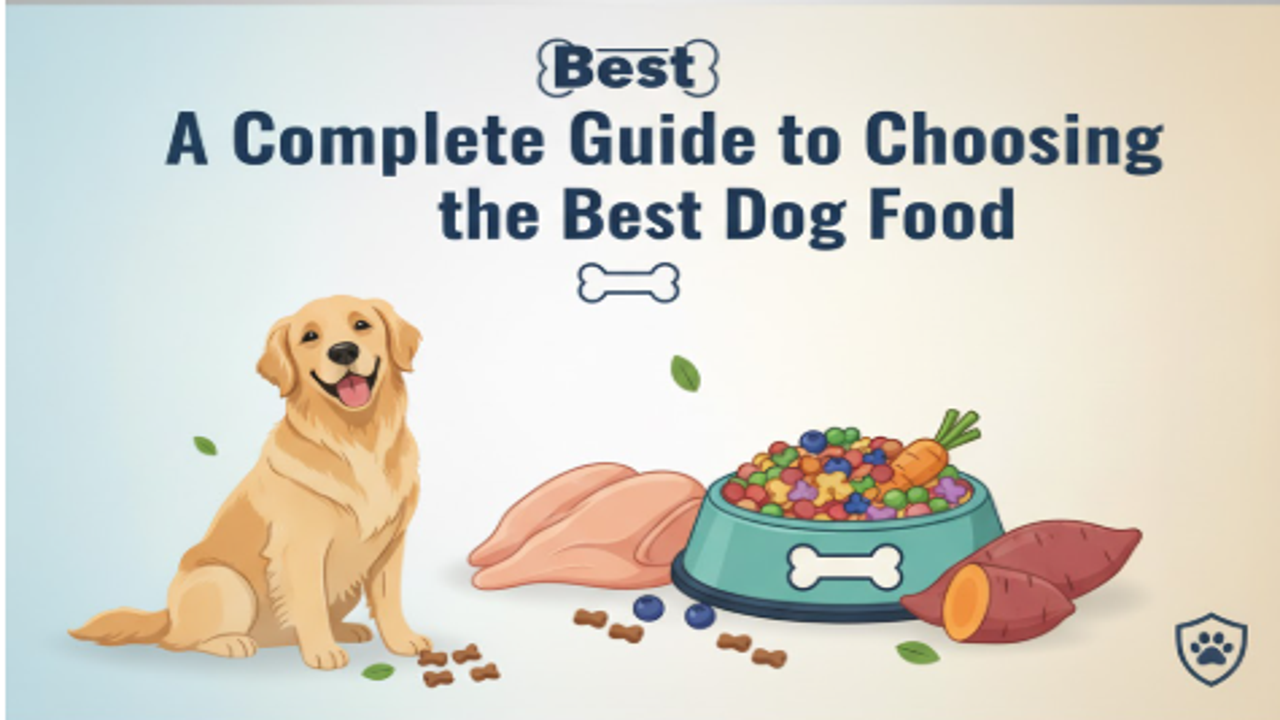
Feeding your dog might seem simple — just grab a bag of kibble and pour it into the bowl, right? Not quite. Your dog’s diet is one of the most important factors influencing their health, energy, and longevity. With so many brands, ingredients, and types of dog food on the market, choosing the right one can feel overwhelming.
Whether you’re a first-time dog parent or looking to upgrade your furry friend’s meals, this guide will walk you through everything you need to know about choosing the best dog food — from understanding ingredients and reading labels to identifying what’s best for your dog’s specific needs.
🦴 Why Choosing the Right Dog Food Matters
Just like humans, dogs need a balanced diet to thrive. The right food provides essential nutrients that support:
- Healthy growth and development (especially for puppies)
- Strong bones and muscles
- Shiny coat and healthy skin
- Proper digestion and energy
- A strong immune system
Feeding low-quality or unsuitable food can lead to a range of health issues, including obesity, allergies, poor digestion, or even chronic diseases. Therefore, understanding what goes into your dog’s bowl is essential to keeping them happy and healthy.
🥩 Understanding Dog Nutrition Basics
Before choosing the best dog food, it’s important to know what nutrients your dog actually needs. Dogs are omnivores — they require a mix of protein, fat, carbohydrates, vitamins, and minerals.
1. Protein
Protein is the cornerstone of your dog’s diet. It helps build muscles, repair tissues, and maintain energy levels.
Best sources: chicken, beef, fish, lamb, turkey, and eggs.
Look for foods that list meat or meat meal as the first ingredient.
2. Fats
Fats provide energy and support brain function, skin health, and coat shine.
Best sources: fish oil, chicken fat, flaxseed oil, and sunflower oil.
Avoid foods with unnamed or generic “animal fat.”
3. Carbohydrates
Carbs give your dog quick energy and help with digestion when they come from high-quality sources.
Good sources: sweet potatoes, brown rice, barley, oats, and peas.
Avoid cheap fillers like corn, wheat, or soy as main ingredients.
4. Vitamins and Minerals
Dogs need a variety of vitamins and minerals for immune health, bone strength, and metabolism.
Most commercial foods include a balanced vitamin and mineral mix, but make sure it’s from natural sources whenever possible.
5. Water
Hydration is often overlooked. Ensure your dog has access to fresh water at all times, and consider adding wet food occasionally for extra moisture.
🐕 Types of Dog Food: Which Is Right for Your Pet?
Dog food comes in many forms. Each has its pros and cons depending on your dog’s lifestyle, preferences, and health.
1. Dry Dog Food (Kibble)
The most popular and convenient choice.
- Pros: Long shelf life, easy to store, helps clean teeth, affordable.
- Cons: Can be less flavorful, lower moisture content.
Best for: Most dogs, especially those who need easy feeding schedules.
2. Wet Dog Food (Canned)
A tasty, high-moisture option that dogs love.
- Pros: More palatable, hydrating, ideal for picky eaters or dogs with dental problems.
- Cons: Shorter shelf life after opening, can be pricey.
Best for: Senior dogs, picky eaters, or dogs that need more hydration.
3. Semi-Moist Food
These foods are soft, chewy, and convenient.
- Pros: Easy to serve and digest.
- Cons: Often contain added sugar, preservatives, and artificial flavors.
Best for: Occasional treats, not for daily feeding.
4. Raw Diets
Raw feeding involves giving dogs uncooked meat, bones, fruits, and vegetables.
- Pros: Can promote a shiny coat, strong muscles, and better digestion.
- Cons: Requires careful handling, risk of bacterial contamination, and must be balanced correctly.
Best for: Experienced dog owners who can manage a raw diet safely.
5. Homemade Dog Food
Cooking for your dog allows full control over ingredients.
- Pros: Customizable for allergies and dietary needs.
- Cons: Time-consuming, requires nutritional balance and vet guidance.
Best for: Dogs with allergies or specific health concerns.
📖 How to Read a Dog Food Label Like a Pro
Understanding labels is key to identifying high-quality dog food. Here’s how to decode them:
1. Look at the Ingredient List
Ingredients are listed in order of weight. The first few items matter the most.
- Good sign: Whole meats like chicken, beef, or salmon listed first.
- Red flag: “Meat by-products,” “animal digest,” or “corn gluten meal.”
2. Check for AAFCO Statement
The Association of American Feed Control Officials (AAFCO) sets nutritional standards. Look for a statement like:
“This food is formulated to meet the nutritional levels established by the AAFCO Dog Food Nutrient Profiles.”
This ensures the food meets basic nutritional requirements.
3. Analyze the Guaranteed Analysis
This section lists the percentages of protein, fat, fiber, and moisture.
Aim for at least:
- 18–22% protein for adults
- 8–12% fat for adults
- 1–5% fiber depending on activity level
4. Avoid Artificial Additives
Avoid foods with:
- Artificial colors (Red 40, Yellow 5)
- Chemical preservatives (BHA, BHT, ethoxyquin)
- Sweeteners (corn syrup, sucrose)
🐩 Choosing the Right Food for Your Dog’s Life Stage
Your dog’s age, size, and activity level all affect their dietary needs.
1. Puppies
Growing puppies need more calories and nutrients for development.
- Choose “puppy formula” foods rich in protein, DHA, and calcium.
- Feed smaller meals 3–4 times a day.
2. Adult Dogs
Adult dogs need a balanced diet to maintain energy and muscle.
- Choose food labeled “adult maintenance.”
- Watch portion sizes to prevent obesity.
3. Senior Dogs
Older dogs need fewer calories but more joint and digestive support.
- Look for foods with glucosamine, chondroitin, and antioxidants.
- Soft or wet foods may be easier to chew.
🐾 Special Dietary Needs and Allergies
Some dogs have unique dietary needs or sensitivities that require special care.
1. Grain-Free Diets
Grain-free foods replace grains with potatoes or peas.
Best for: Dogs with grain allergies (though rare).
⚠️ Note: The FDA has investigated potential links between grain-free diets and heart disease in dogs. Always consult your vet.
2. Limited Ingredient Diets
Made with fewer ingredients to avoid allergens.
Best for: Dogs with food sensitivities or skin allergies.
3. Weight Management Formulas
Lower-calorie foods designed to help overweight dogs lose weight safely.
Look for: High protein, low fat, and added fiber.
4. Breed-Specific Dog Food
Some brands make formulas for specific breeds, like Labradors or Chihuahuas. These can be beneficial but aren’t always necessary.
🥗 Homemade Dog Food: Is It a Good Idea?
Homemade diets can be an excellent way to ensure your dog gets fresh, natural ingredients — but they must be nutritionally balanced.
Benefits:
- Full control over ingredients
- Great for dogs with allergies or medical conditions
- No artificial additives
Challenges:
- Time-consuming to prepare
- Risk of nutrient imbalance
- Requires vet or pet nutritionist guidance
If you choose to make homemade meals, use recipes approved by a veterinarian and include essential nutrients like calcium, zinc, and omega-3 fatty acids.
🦮 Tips for Switching Dog Food Safely
Changing your dog’s food too quickly can cause stomach upset. Follow these steps for a smooth transition:
- Days 1–2: 75% old food, 25% new food
- Days 3–4: 50% old, 50% new
- Days 5–6: 25% old, 75% new
- Day 7: 100% new food
Watch for signs of digestive issues such as diarrhea, vomiting, or loss of appetite during the switch.
🐕 Portion Control and Feeding Schedule
Even the best dog food won’t help if you’re feeding the wrong amount. Overfeeding leads to obesity, one of the most common dog health problems.
General Feeding Guidelines:
- Check the feeding chart on your dog food packaging.
- Adjust based on activity level, age, and weight.
- Use a measuring cup — don’t eyeball portions.
- For most adult dogs, feed twice a day (morning and evening).
💡 Tip: If your dog eats too fast, use a slow-feeder bowl to prevent bloating and digestive problems.
🌿 Natural and Organic Dog Food
The demand for natural and organic pet food is rising — and for good reason.
Natural Dog Food:
- Contains no artificial preservatives, colors, or flavors.
- Uses ingredients like whole meats, vegetables, and grains.
Organic Dog Food:
- Made with ingredients grown without pesticides or synthetic fertilizers.
- Certified by USDA Organic standards.
While these foods are often more expensive, they can be worth it for sensitive dogs or owners who prioritize clean eating.
💡 Common Dog Food Myths — Debunked!
Let’s clear up some common misconceptions about dog food.
❌ Myth 1: Dogs Should Eat Like Wolves
While dogs descended from wolves, they’ve evolved to digest starches and grains. A diet of only raw meat isn’t always ideal.
❌ Myth 2: Grain-Free Means Healthier
Unless your dog has a grain allergy, grains like brown rice or oats provide healthy fiber and nutrients.
❌ Myth 3: By-Products Are Always Bad
Not necessarily! Named by-products like “chicken liver” can be nutrient-rich. Avoid unnamed sources like “animal by-products.”
❌ Myth 4: More Protein Is Always Better
Too much protein can strain the kidneys in some dogs, especially seniors. Balance is key.
🐶 Top Tips for Picking the Best Dog Food
- Choose foods with meat listed first.
- Avoid foods with artificial additives.
- Select a formula suited for your dog’s life stage and activity level.
- Check for AAFCO certification.
- Transition slowly when switching foods.
- Consult your veterinarian for personalized advice.
❤️ Final Thoughts: Feeding for a Happy, Healthy Life
Choosing the best dog food isn’t just about picking the most expensive brand — it’s about understanding your dog’s unique needs and finding a balanced, nutritious option that keeps them thriving.