Dog Health: Dog Grooming – The Complete Guide to Keeping Your Dog Clean, Healthy, and Happy
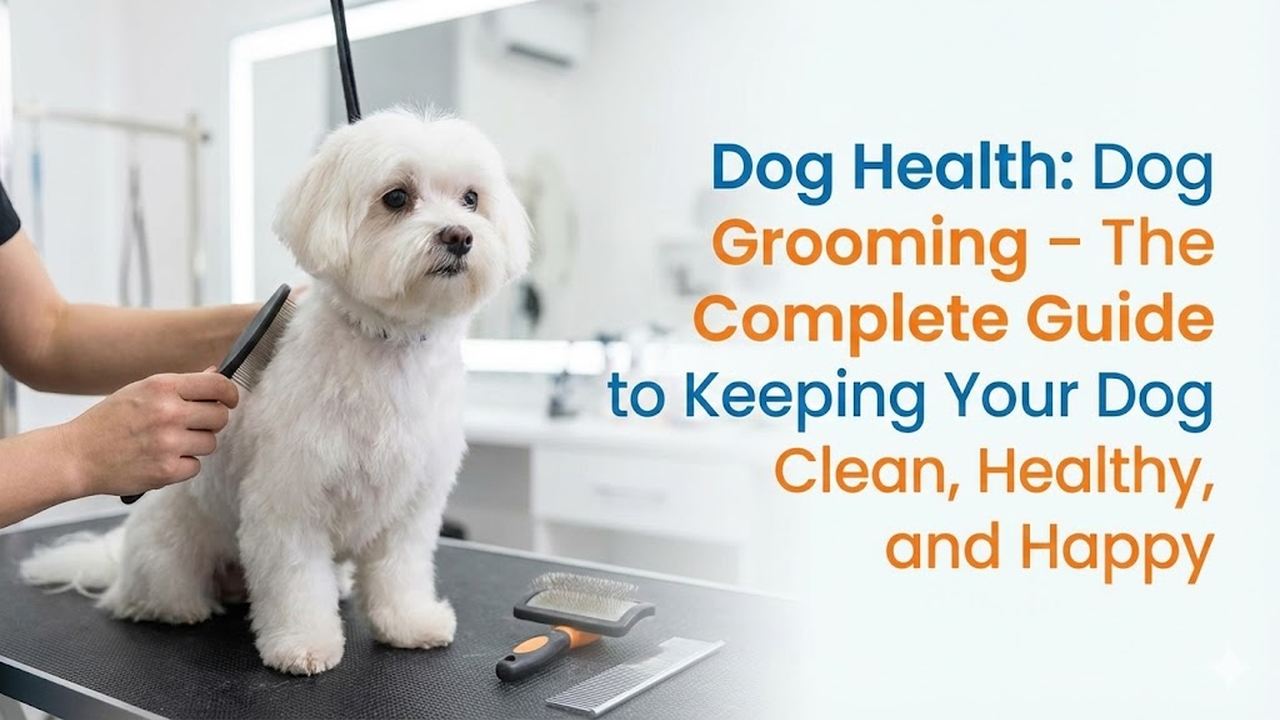
Dog grooming is far more than just making your furry friend look cute. It plays a critical role in overall dog health, preventing diseases, detecting health issues early, and improving your dog’s comfort and quality of life. Regular grooming keeps your dog’s skin healthy, coat shiny, nails trimmed, ears clean, and teeth strong—contributing directly to both physical and mental well-being.
In this complete guide, we’ll explore everything you need to know about dog grooming for optimal dog health, including grooming benefits, essential grooming tasks, breed-specific needs, professional vs. home grooming, and common mistakes to avoid.
Why Dog Grooming Is Essential for Dog Health
Dog grooming is a foundational part of preventive pet care. Neglecting grooming can lead to infections, parasites, painful matting, and undetected health issues.
Key Health Benefits of Dog Grooming
- Prevents skin infections and irritation
- Reduces shedding and allergens
- Helps detect lumps, rashes, or parasites early
- Improves blood circulation
- Supports joint and paw health
- Boosts mental comfort and confidence
Regular grooming helps you notice subtle changes in your dog’s body, allowing early veterinary intervention if needed.
Understanding Your Dog’s Grooming Needs
Every dog is unique. Grooming requirements depend on breed, coat type, age, lifestyle, and health condition.
Coat Types and Grooming Frequency
Short-haired dogs
Examples: Beagle, Boxer, Dalmatian
- Brushing: 1–2 times per week
- Bathing: Every 4–8 weeks
Medium-haired dogs
Examples: Golden Retriever, Border Collie
- Brushing: 3–4 times per week
- Bathing: Every 4–6 weeks
Long-haired dogs
Examples: Shih Tzu, Afghan Hound
- Brushing: Daily
- Bathing: Every 3–4 weeks
Curly or wiry coats
Examples: Poodle, Schnauzer
- Brushing: Daily
- Professional grooming: Every 4–6 weeks
Essential Dog Grooming Tasks for Better Health
1. Brushing Your Dog’s Coat
Brushing removes dirt, loose hair, and tangles while distributing natural oils across the coat.
Health benefits:
- Prevents matting and skin sores
- Reduces excessive shedding
- Improves coat shine
Tips:
- Use slicker brushes for long coats
- Use bristle brushes for short coats
- Brush gently to avoid skin irritation
2. Bathing Your Dog Properly
Bathing removes bacteria, allergens, and odors—but overbathing can dry out the skin.
Best practices:
- Use dog-specific shampoo only
- Avoid human products (they disrupt skin pH)
- Rinse thoroughly to prevent residue
Signs your dog needs a bath:
- Strong odor
- Visible dirt or grease
- Excessive scratching
3. Nail Trimming for Joint and Paw Health
Overgrown nails can cause pain, posture issues, and joint strain.
Why nail care matters:
- Prevents cracked or broken nails
- Improves walking posture
- Reduces risk of infection
Trim nails every 3–4 weeks, or when you hear clicking on the floor.
4. Ear Cleaning to Prevent Infections
Dogs with floppy ears or hair-filled ear canals are especially prone to infections.
Ear health benefits:
- Prevents yeast and bacterial infections
- Reduces odor and inflammation
Warning signs:
- Redness
- Bad smell
- Head shaking
Clean ears gently once a week using vet-approved ear solutions.
5. Dental Care During Grooming
Oral health is often overlooked but closely linked to overall dog health.
Dental grooming helps prevent:
- Gum disease
- Tooth decay
- Heart and kidney complications
Brush your dog’s teeth 2–3 times per week with dog toothpaste.
6. Eye and Face Cleaning
Tear stains, discharge, and debris can irritate your dog’s eyes.
Best practices:
- Use soft, damp cloths
- Clean gently around the eyes
- Trim excess facial hair if needed
Professional Grooming vs. At-Home Grooming
At-Home Grooming
Pros:
- Cost-effective
- Strengthens bonding
- Convenient
Cons:
- Requires time and tools
- Risk of injury if inexperienced
Professional Grooming
Pros:
- Expert handling
- Specialized equipment
- Ideal for difficult coats
Cons:
- More expensive
- Requires scheduling
Best approach:
Combine regular at-home grooming with professional grooming every 4–8 weeks, depending on breed.
Grooming Puppies vs. Senior Dogs
Puppy Grooming
- Start early to build comfort
- Keep sessions short and positive
- Introduce tools gradually
Senior Dog Grooming
- Be gentle with joints
- Watch for skin sensitivity
- Groom more frequently but softly
Senior dogs may benefit from shorter, more frequent grooming sessions.
Common Dog Grooming Mistakes to Avoid
- ❌ Using human shampoo
- ❌ Skipping nail trimming
- ❌ Ignoring ear cleaning
- ❌ Brushing matted fur aggressively
- ❌ Overbathing
Avoiding these mistakes helps prevent discomfort and health problems.
Grooming as a Bonding and Mental Health Activity
Grooming isn’t just physical care—it’s emotional care too.
Mental benefits include:
- Reduced anxiety
- Increased trust
- Improved behavior
Dogs that are groomed regularly often feel calmer and more confident.
Seasonal Dog Grooming Tips
Summer Grooming
- Brush frequently to reduce shedding
- Never shave double-coated breeds
- Check for ticks and fleas
Winter Grooming
- Moisturize dry skin
- Trim paw hair to prevent ice buildup
- Clean paws after walks
Signs Your Dog Needs Immediate Grooming Attention
- Excessive scratching or licking
- Bad odor
- Visible mats
- Red or inflamed skin
- Discharge from ears or eyes
If symptoms persist, consult a veterinarian.
Frequently Asked Questions (FAQ)
1. How often should I groom my dog?
It depends on breed and coat type. Most dogs need brushing several times a week and bathing every 4–6 weeks.
2. Is dog grooming really necessary for health?
Yes. Grooming prevents infections, parasites, dental disease, and helps detect health problems early.
3. Can I groom my dog at home?
Absolutely. With proper tools and patience, home grooming is effective, especially when combined with occasional professional grooming.
4. What happens if I don’t groom my dog?
Lack of grooming can cause matting, skin infections, ear problems, painful nails, and poor overall health.
5. Are professional groomers safe for dogs?
Yes, certified groomers are trained to handle dogs safely and recognize health issues.
6. How do I calm my dog during grooming?
Use positive reinforcement, treats, gentle handling, and keep sessions short.
7. What tools are essential for dog grooming?
Basic tools include:
- Brush or comb
- Nail clippers
- Dog shampoo
- Ear cleaner
- Toothbrush and toothpaste
8. Can grooming help reduce shedding?
Yes. Regular brushing significantly reduces loose hair and shedding.
9. Should dogs be shaved in summer?
Most dogs should not be shaved. Their coat protects against heat and sunburn.
10. When should I see a vet instead of a groomer?
If you notice lumps, sores, severe redness, or behavioral changes during grooming, consult a veterinarian.
Final Thoughts: Dog Grooming Is a Pillar of Dog Health
Dog grooming is not a luxury—it’s a vital part of responsible pet ownership. From maintaining skin and coat health to supporting emotional well-being, grooming plays a key role in your dog’s overall health and happiness.
By establishing a consistent grooming routine, using the right tools, and understanding your dog’s unique needs, you can help ensure your furry companion lives a longer, healthier, and more comfortable life.