Dog Health: Eye Care – A Complete Guide to Protecting Your Dog’s Vision
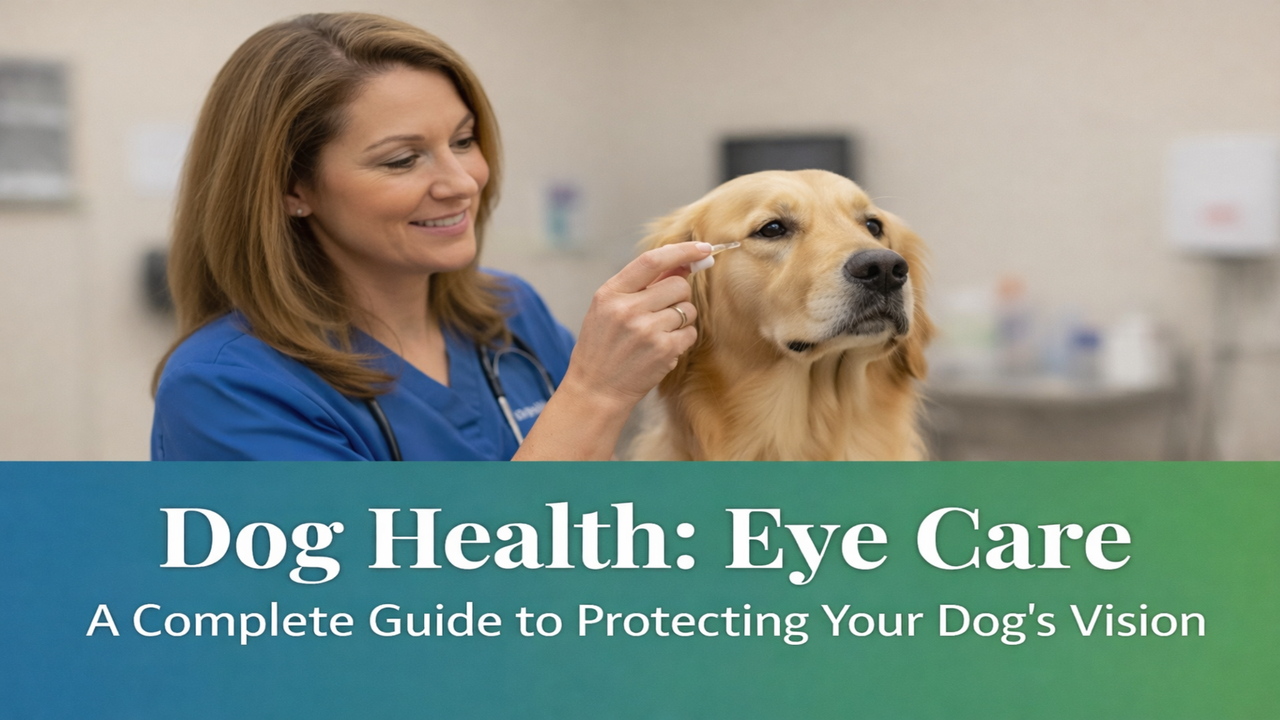
Your dog’s eyes do much more than help them see—they help them communicate, navigate their environment, and enjoy everyday life. Just like humans, dogs can suffer from a wide range of eye problems, from mild irritation to serious conditions that threaten their vision. Proper dog eye care is a crucial part of overall dog health, yet it’s often overlooked until a problem becomes obvious.
In this comprehensive guide, we’ll explore everything you need to know about dog eye care—including common eye problems, daily care routines, warning signs, preventive tips, and when to see a veterinarian. By the end of this article, you’ll be well-equipped to protect your dog’s eyesight and keep their eyes healthy for years to come.
Why Eye Care Is Important for Dog Health
A dog’s eyes are delicate and highly sensitive. Dust, debris, bacteria, allergies, injuries, and genetic factors can all affect eye health. Without proper care, minor issues can quickly develop into painful infections or permanent vision loss.
Good eye care helps:
- Prevent infections and inflammation
- Detect problems early
- Reduce discomfort and pain
- Preserve clear vision
- Improve your dog’s quality of life
Healthy eyes are a key indicator of a healthy dog. Bright, clear eyes usually signal good overall health, while cloudy, red, or watery eyes can be early signs of illness.
Understanding Your Dog’s Eyes
Before diving into care routines, it’s helpful to understand the basic structure of a dog’s eye:
- Cornea: The clear outer layer that protects the eye
- Sclera: The white part of the eye
- Iris: The colored part that controls light entry
- Pupil: The black center that adjusts to light
- Lens: Focuses light onto the retina
- Retina: Sends visual signals to the brain
- Third Eyelid (Nictitating Membrane): Provides extra protection and moisture
Dogs also have tear glands that keep the eyes moist and flush out debris. When these systems don’t work properly, eye problems can occur.
Common Eye Problems in Dogs
Understanding common eye conditions helps you recognize issues early.
1. Conjunctivitis (Pink Eye)
Conjunctivitis is inflammation of the tissue lining the eyelids. It can be caused by allergies, infections, irritants, or foreign objects.
Symptoms include:
- Redness
- Swelling
- Discharge (clear, yellow, or green)
- Excessive blinking
2. Dry Eye (Keratoconjunctivitis Sicca)
Dry eye occurs when tear production is insufficient, leading to irritation and infection.
Symptoms include:
- Thick, sticky discharge
- Dull or cloudy eyes
- Squinting
- Redness
Without treatment, dry eye can cause ulcers and vision loss.
3. Cataracts
Cataracts cause cloudiness in the lens, leading to impaired vision or blindness. They can be age-related or caused by diabetes, genetics, or injury.
Symptoms include:
- Cloudy or white appearance
- Bumping into objects
- Difficulty seeing in low light
4. Glaucoma
Glaucoma is caused by increased pressure inside the eye and is extremely painful. It’s a medical emergency.
Symptoms include:
- Red, swollen eyes
- Cloudy cornea
- Dilated pupils
- Vision loss
5. Corneal Ulcers
These are scratches or wounds on the cornea caused by trauma, infection, or dry eye.
Symptoms include:
- Squinting
- Tearing
- Pawing at the eye
- Sensitivity to light
6. Cherry Eye
Cherry eye occurs when the tear gland of the third eyelid prolapses.
Symptoms include:
- Red or pink mass in the corner of the eye
- Mild irritation
- Increased tearing
Breeds Prone to Eye Problems
Some dog breeds are more likely to experience eye issues due to genetics or facial structure.
High-risk breeds include:
- Bulldogs
- Pugs
- Shih Tzus
- Cocker Spaniels
- Boxers
- Poodles
- German Shepherds
If you own one of these breeds, regular eye checks are especially important.
Daily Dog Eye Care Routine
A simple daily routine can go a long way in protecting your dog’s eye health.
1. Visual Inspection
Check your dog’s eyes every day for:
- Redness
- Swelling
- Cloudiness
- Discharge
- Uneven pupils
Healthy eyes should be clear, bright, and free of excessive discharge.
2. Gentle Cleaning
Use a soft, damp cloth or vet-approved eye wipes to gently clean around the eyes.
Tips:
- Use warm water or saline solution
- Wipe from the inner corner outward
- Use a separate cloth for each eye
Never use human eye drops or harsh chemicals.
3. Trim Hair Around the Eyes
Long hair can irritate the eyes and trap dirt. Regular grooming helps prevent irritation and infection.
4. Protect from Irritants
Limit exposure to:
- Dust and smoke
- Strong winds
- Harsh chemicals
- Chlorinated water
Protective dog goggles can be useful during outdoor activities or car rides.
Nutrition and Eye Health
Diet plays a major role in maintaining healthy eyes.
Key Nutrients for Dog Eye Health
- Vitamin A: Supports vision and retinal health
- Omega-3 Fatty Acids: Reduce inflammation and support tear production
- Vitamin E: Protects eye cells from damage
- Zinc: Helps transport vitamin A
High-quality dog food usually provides these nutrients, but supplements should only be given under veterinary guidance.
Signs You Should See a Veterinarian
Seek professional help if you notice:
- Persistent redness or swelling
- Thick yellow or green discharge
- Sudden vision changes
- Squinting or keeping one eye closed
- Cloudiness or color changes
- Excessive pawing at the eyes
Early diagnosis can prevent permanent damage.
Preventive Tips for Long-Term Eye Health
- Schedule regular veterinary checkups
- Keep vaccinations up to date
- Control allergies and skin conditions
- Maintain proper grooming
- Avoid rough play that could injure the eyes
- Use flea and tick prevention
Prevention is always easier—and less costly—than treatment.
How Aging Affects Dog Eye Health
As dogs age, their eyes naturally change. Conditions like nuclear sclerosis (a blue-gray haze) are common in senior dogs and usually don’t affect vision significantly. However, age-related diseases like cataracts and glaucoma become more likely.
Senior dogs benefit from:
- More frequent eye exams
- Enhanced nutrition
- Close monitoring for vision changes
Dog Eye Care and Quality of Life
Healthy eyes allow your dog to remain confident, active, and independent. Vision loss can cause anxiety, confusion, and reduced mobility. Proper eye care ensures your dog can continue enjoying walks, playtime, and bonding with you.
Eye care is not just about vision—it’s about comfort, safety, and happiness.
Frequently Asked Questions (FAQ): Dog Health – Eye Care
1. How often should I clean my dog’s eyes?
For most dogs, cleaning once or twice a week is enough. Dogs prone to tear stains or discharge may need daily cleaning.
2. Can I use human eye drops on my dog?
No. Human eye drops may contain ingredients that are harmful to dogs. Always use vet-approved products.
3. Is eye discharge normal in dogs?
Small amounts of clear or slightly brown discharge can be normal. Thick, yellow, green, or excessive discharge is not normal and requires veterinary attention.
4. How can I tell if my dog is losing vision?
Signs include bumping into objects, hesitation in new environments, difficulty in low light, and changes in behavior or confidence.
5. Are tear stains harmful to my dog?
Tear stains themselves are usually cosmetic, but they can indicate underlying issues like blocked tear ducts, infections, or allergies.
6. Can diet really improve my dog’s eye health?
Yes. A balanced diet rich in vitamins, antioxidants, and omega-3 fatty acids supports long-term eye health.
7. What should I do if my dog gets something in their eye?
Rinse gently with sterile saline and contact your veterinarian if irritation persists or your dog appears in pain.
8. Are eye problems in dogs preventable?
Not all eye conditions can be prevented, especially genetic ones, but regular care, grooming, and early detection significantly reduce risks.
Final Thoughts on Dog Health: Eye Care
Eye care is an essential yet often underestimated part of dog health. With regular observation, gentle cleaning, proper nutrition, and timely veterinary care, you can protect your dog’s eyesight and overall well-being.
Healthy eyes mean a happier, more confident dog—and peace of mind for you as a responsible pet owner. By making eye care a regular part of your dog’s routine, you’re investing in their comfort, safety, and quality of life for years to come.