Dog Health: Ear Care – A Complete Guide to Keeping Your Dog’s Ears Clean and Healthy
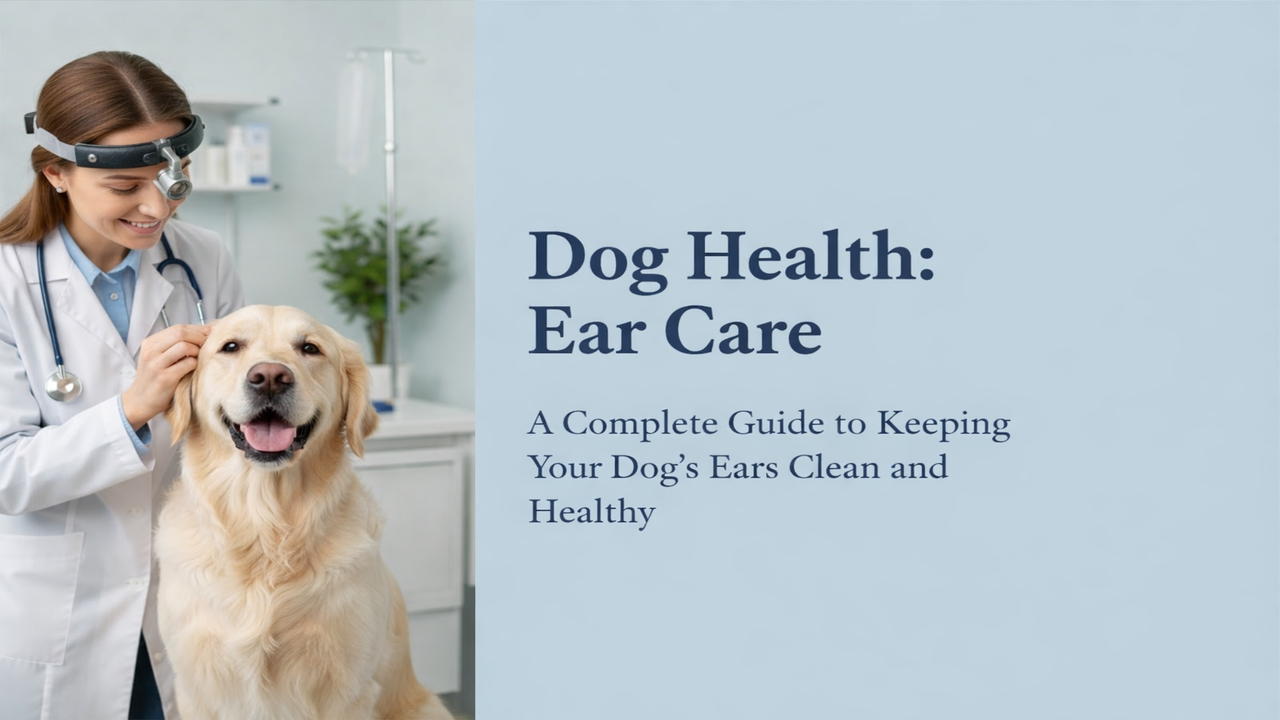
Ear care is one of the most commonly overlooked aspects of dog health, yet it plays a critical role in your dog’s overall comfort and well-being. Dogs rely on their ears not only for hearing but also for balance and communication. Without proper ear care, dogs can suffer from painful infections, chronic discomfort, and even long-term hearing loss.
In this in-depth guide on Dog Health: Ear Care, we’ll cover everything you need to know—from understanding ear anatomy and common ear problems to proper cleaning techniques, prevention tips, and when to see a veterinarian. Whether you’re a first-time dog owner or an experienced pet parent, this article will help you protect your dog’s ears for a healthier, happier life.
Why Ear Care Is Essential for Dog Health
Dogs’ ears are far more complex and sensitive than human ears. Their ear canals are longer and shaped like an “L,” which makes them prone to trapping moisture, dirt, and debris. This environment can quickly become a breeding ground for bacteria, yeast, and parasites.
Ignoring ear care can lead to:
- Painful ear infections
- Chronic inflammation
- Foul odors and discharge
- Hearing problems
- Behavioral changes due to discomfort
Regular ear care helps prevent these issues and ensures your dog stays comfortable and healthy.
Understanding Dog Ear Anatomy
To properly care for your dog’s ears, it helps to understand their structure:
1. Outer Ear (Pinna)
The visible flap that collects sound and funnels it into the ear canal. Dogs with floppy ears (like Cocker Spaniels or Basset Hounds) are more prone to ear problems due to reduced airflow.
2. Ear Canal
Dogs have a vertical and horizontal ear canal, making it harder for debris and moisture to escape naturally.
3. Middle and Inner Ear
These areas are responsible for hearing and balance. Infections that spread here can cause serious complications.
Common Dog Ear Problems
1. Ear Infections (Otitis)
Ear infections are among the most common canine health issues. They can be caused by:
- Bacteria
- Yeast
- Allergies
- Excess moisture (from swimming or bathing)
Signs of ear infection include:
- Frequent head shaking
- Scratching at the ears
- Redness or swelling
- Bad odor
- Discharge (yellow, brown, or black)
2. Ear Mites
Ear mites are tiny parasites that cause intense itching and irritation, especially in puppies.
Symptoms include:
- Dark, coffee-ground-like debris
- Constant scratching
- Head shaking
3. Allergies
Food and environmental allergies often show up in the ears before other symptoms appear.
4. Foreign Objects
Grass seeds, dirt, or small insects can get trapped in the ear canal, causing sudden discomfort.
Dog Breeds More Prone to Ear Issues
Some dogs are genetically more susceptible to ear problems, including:
- Cocker Spaniels
- Golden Retrievers
- Labradors
- Poodles
- Bulldogs
- Basset Hounds
These breeds often require more frequent ear checks and cleaning.
How Often Should You Check and Clean Your Dog’s Ears?
- Ear checks: 1–2 times per week
- Ear cleaning: Every 1–4 weeks (depending on breed, lifestyle, and vet advice)
Dogs that swim frequently or have floppy ears may need more frequent cleaning.
Step-by-Step Guide to Cleaning Your Dog’s Ears
What You’ll Need:
- Vet-approved dog ear cleaner
- Cotton balls or gauze
- Treats for positive reinforcement
Step 1: Calm Your Dog
Choose a quiet place and make the experience positive.
Step 2: Inspect the Ears
Look for redness, swelling, discharge, or foul odor. If you see severe signs, stop and consult your vet.
Step 3: Apply Ear Cleaner
Gently fill the ear canal with cleaner (follow product instructions).
Step 4: Massage the Base of the Ear
Massage for 20–30 seconds to loosen debris.
Step 5: Let Your Dog Shake
This helps remove loosened debris naturally.
Step 6: Wipe the Outer Ear
Use cotton balls or gauze to wipe away debris—never insert cotton swabs deep into the ear.
What NOT to Do When Cleaning Dog Ears
- ❌ Don’t use human ear cleaners
- ❌ Don’t use alcohol or hydrogen peroxide
- ❌ Don’t insert cotton swabs deep into the ear
- ❌ Don’t clean infected ears without vet guidance
Signs Your Dog Needs Veterinary Attention
Contact your veterinarian if you notice:
- Persistent head shaking
- Pain when touching ears
- Thick or bloody discharge
- Loss of balance
- Hearing changes
Early treatment prevents complications and chronic issues.
Preventing Ear Problems in Dogs
1. Regular Cleaning
Stick to a routine based on your dog’s needs.
2. Keep Ears Dry
Dry ears thoroughly after swimming or bathing.
3. Manage Allergies
Work with your vet to identify and manage food or environmental allergies.
4. Proper Grooming
Trim excess hair around the ears to improve airflow.
5. Balanced Nutrition
A healthy diet supports immune function and skin health, including the ears.
Natural Remedies: Are They Safe?
Some natural remedies (like diluted apple cider vinegar) are sometimes mentioned online, but never use them without veterinary approval, especially if the ear is irritated or infected. Improper use can worsen the condition.
The Link Between Ear Care and Overall Dog Health
Chronic ear infections can indicate underlying health issues such as:
- Food sensitivities
- Hormonal imbalances
- Immune system disorders
Proper ear care is often the first step in identifying broader health concerns.
Creating a Positive Ear Care Routine
- Start ear handling early in puppyhood
- Use treats and praise
- Keep sessions short and calm
- Be consistent
Positive experiences reduce stress and make ear care easier over time.
FAQ: Dog Health – Ear Care
1. How often should I clean my dog’s ears?
Most dogs need ear cleaning every 2–4 weeks. Dogs with floppy ears, allergies, or frequent swimming may need weekly cleaning.
2. Can I clean my dog’s ears at home?
Yes, as long as you use a vet-approved ear cleaner and proper techniques. Avoid deep insertion into the ear canal.
3. What are the signs of an ear infection in dogs?
Common signs include head shaking, scratching, redness, swelling, bad odor, and discharge.
4. Are floppy-eared dogs more prone to ear problems?
Yes. Floppy ears reduce airflow, creating a warm, moist environment ideal for infections.
5. Can ear infections go away on their own?
No. Untreated ear infections usually worsen and may lead to chronic problems or hearing loss.
6. Is it normal for dog ears to smell?
Healthy dog ears should have little to no odor. A strong smell usually indicates infection or yeast buildup.
7. Should I remove hair from my dog’s ears?
In some breeds, gentle trimming improves airflow. Plucking should only be done if recommended by a vet or groomer.
8. Can food allergies cause ear problems?
Yes. Food allergies are a common cause of recurring ear infections in dogs.
9. Is head shaking always a sign of ear trouble?
Occasional shaking is normal, but frequent or intense shaking usually indicates irritation or infection.
10. When should I take my dog to the vet for ear issues?
If symptoms persist for more than a day, worsen, or cause pain, consult your veterinarian immediately.
Final Thoughts on Dog Health: Ear Care
Proper ear care is a simple yet powerful way to protect your dog’s health. By checking your dog’s ears regularly, cleaning them correctly, and responding quickly to warning signs, you can prevent painful infections and costly treatments.
Healthy ears mean a happier, more comfortable dog—and a more confident pet parent. Make ear care a regular part of your dog’s grooming routine, and you’ll be investing in your dog’s long-term health and quality of life.