The Ultimate Guide to Choosing the Perfect Dog Collar
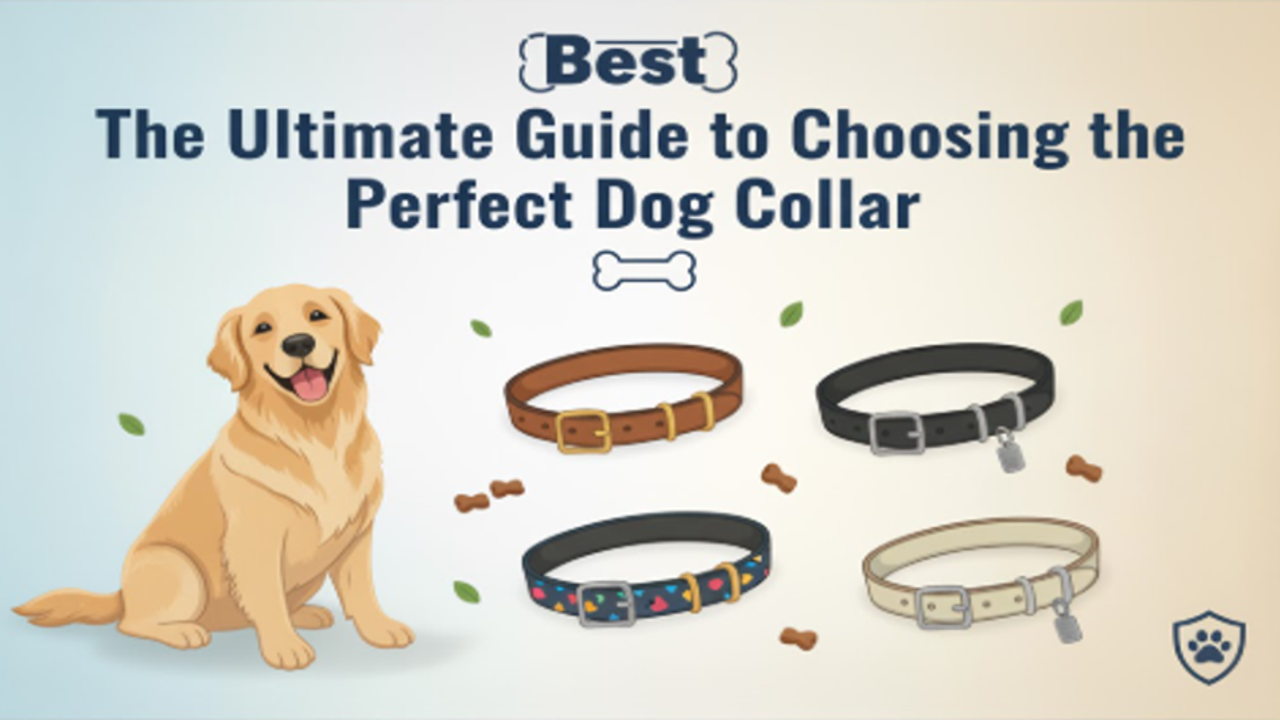
Choosing the right dog collar might seem like a simple task — after all, it’s just a strap around your dog’s neck, right? Not quite. A dog collar is much more than a fashion accessory or a place to hang a tag. It’s a vital piece of equipment for safety, training, identification, and comfort. With countless options available — from classic leather collars to smart GPS trackers — finding the perfect one can be overwhelming.
In this ultimate guide, we’ll walk you through everything you need to know about dog collars types, materials, sizing, features, and how to choose the right collar for your furry friend’s unique needs.
🦴 Why a Good Dog Collar Matters
A dog collar serves multiple purposes:
- Safety & Control – It helps you manage your dog during walks, training, or social interactions.
- Identification – A collar can hold ID tags with your contact information in case your dog ever gets lost.
- Training Tool – Certain collars aid in correcting unwanted behaviors or improving leash manners.
- Style Statement – Let’s be honest, collars can be cute and show off your dog’s personality!
The right collar ensures your dog is comfortable, secure, and protected while maintaining freedom of movement and style.
🐕 Types of Dog Collars
Not all collars are created equal. Depending on your dog’s size, behavior, and lifestyle, you might choose a different type. Below are the most common types and their uses.
1. Flat Collars (Everyday Collars)
Best for: Everyday wear for most dogs
Flat collars are the standard type most dog owners use. They’re simple, adjustable, and available in materials like nylon, leather, and polyester.
Pros:
- Comfortable and easy to put on
- Holds ID tags and leashes
- Available in many styles and colors
Cons:
- Not ideal for strong pullers
- Can cause neck strain if used with excessive force
Tip: Choose a flat collar with a sturdy buckle and ensure it fits snugly but not tightly (you should be able to fit two fingers under it).
2. Martingale Collars
Best for: Dogs that slip out of collars (e.g., Greyhounds, Whippets)
Martingale collars are designed with a limited-slip feature that tightens slightly when your dog pulls, preventing escape without choking.
Pros:
- Prevents slipping out
- Offers gentle control
- Great for training and walks
Cons:
- Must be properly fitted to avoid choking
Tip: Adjust the collar so it tightens just enough to prevent escape but not enough to cause discomfort.
3. Harness Collars (No-Pull Harnesses)
Best for: Strong pullers or dogs with respiratory issues
Technically not a collar, harnesses are often a better alternative for dogs prone to neck injuries or tracheal collapse. They distribute pressure evenly across the chest and shoulders.
Pros:
- Reduces neck strain
- Improves control
- Ideal for puppies or small breeds
Cons:
- Can be tricky to fit
- Some dogs resist wearing them initially
Tip: Use a front-clip harness for training and no-pull walking.
4. Head Collars
Best for: Training large or strong dogs
Head collars, like the Gentle Leader or Halti, fit around the dog’s muzzle and neck, offering maximum control.
Pros:
- Effective for training against pulling
- Offers gentle control without choking
Cons:
- Some dogs dislike the feeling at first
- Requires proper introduction and training
Tip: Always introduce a head collar slowly and reward your dog with treats for wearing it calmly.
5. Smart Collars
Best for: Tech-savvy pet owners
Smart collars are the modern solution for dog owners who want to track their pet’s location, activity, or health. Many come with GPS, Wi-Fi, or Bluetooth connectivity.
Pros:
- Real-time tracking
- Health and fitness monitoring
- Built-in LED lights for visibility
Cons:
- Expensive
- Requires charging and tech setup
Tip: Choose a waterproof smart collar with long battery life if your dog loves the outdoors.
6. Training Collars (Choke, Prong, or Shock Collars)
Best for: Professional training (use with caution)
While these collars can help correct specific behaviors, they should only be used under the guidance of a professional trainer. Improper use can harm your dog physically and emotionally.
Pros:
- Can be effective for certain training situations
Cons:
- Risk of injury or fear
- Not recommended for beginners
Tip: Always prioritize positive reinforcement methods over aversive tools.
🐶 Choosing the Right Material
The material of your dog’s collar affects comfort, durability, and maintenance. Here’s a breakdown of the most common options:
1. Nylon Collars
- Affordable, lightweight, and colorful
- Best for: Everyday use and growing puppies
- Downside: May fray over time or retain odor
2. Leather Collars
- Stylish, durable, and long-lasting
- Best for: Medium to large breeds
- Downside: Requires care and conditioning
3. Biothane Collars
- Waterproof, odor-resistant, and easy to clean
- Best for: Active dogs or swimmers
- Downside: Limited style options
4. Chain Collars (for Training)
- Strong but not for everyday wear
- Best for: Training sessions only
Pro Tip: If your dog swims often or plays outdoors, go for biothane or waterproof nylon to prevent mold or odor buildup.
📏 How to Measure and Fit a Dog Collar Properly
A properly fitted collar is crucial for your dog’s comfort and safety.
Step 1: Measure Your Dog’s Neck
Use a soft tape measure to find the circumference of your dog’s neck where the collar will sit.
Step 2: Add Comfort Room
Add two inches (or use the “two-finger rule”) — you should be able to slide two fingers between the collar and your dog’s neck.
Step 3: Test the Fit
- If you can’t fit two fingers, it’s too tight.
- If it slides off, it’s too loose.
Pro Tip: Puppies grow fast, so check and adjust their collars regularly.
🏷️ Important Features to Look For
When shopping for a dog collar, consider the following features to ensure safety and comfort:
- Adjustability – Allows for a perfect fit as your dog grows or gains weight.
- Durable Hardware – Metal buckles and D-rings resist breaking or rusting.
- Quick-Release Buckle – Helps remove the collar quickly in emergencies.
- Reflective Strips or Stitching – Enhances visibility during nighttime walks.
- Padded Interior – Prevents chafing and discomfort.
- Personalization – Some collars can be customized with your dog’s name and contact info.
🐾 Matching Collars to Dog Breeds and Personalities
Every dog is unique — and their collar should reflect that!
| Dog Type | Recommended Collar | Reason |
|---|---|---|
| Small Breeds (Chihuahua, Yorkie) | Lightweight nylon or harness | Prevents neck strain |
| Medium Breeds (Beagle, Cocker Spaniel) | Flat collar or martingale | Comfort with control |
| Large Breeds (Labrador, German Shepherd) | Leather or head collar | Durability and strength |
| Flat-Faced Breeds (Pug, Bulldog) | Harness | Prevents breathing issues |
| Active Dogs (Husky, Border Collie) | Biothane or reflective collar | Sturdy and safe outdoors |
🛠️ How to Care for Your Dog’s Collar
A well-maintained collar lasts longer and keeps your dog comfortable.
1. Clean Regularly
- Nylon: Hand wash with mild soap and warm water.
- Leather: Wipe with a damp cloth, then apply conditioner.
- Biothane: Rinse with water and wipe dry.
2. Check for Wear and Tear
Inspect for frayed edges, rusted hardware, or loose stitching monthly.
3. Replace When Needed
If the collar looks worn or doesn’t fit properly, replace it immediately.
🧠 Common Mistakes to Avoid When Choosing a Dog Collar
- ❌ Choosing by Looks Alone – Prioritize function and comfort over fashion.
- ❌ Ignoring Fit – A too-tight collar can choke; too loose can slip off.
- ❌ Using Harsh Training Collars Incorrectly – Can harm your dog physically or emotionally.
- ❌ Leaving Collars on 24/7 – Give your dog “collar-free time” to prevent irritation.
- ❌ Neglecting ID Tags – Always ensure your dog wears identification.
🌟 Top Tips from Dog Trainers
- Start Early: Get your puppy used to wearing a collar gradually.
- Reward Positive Behavior: Give treats when your dog stays calm while wearing it.
- Rotate Collars: Use different collars for training, walking, and playtime.
- Always Supervise: Especially with training collars or head halters.
💡 Bonus: Collars vs. Harnesses — Which Is Better?
Many owners wonder whether to use a collar or harness. The truth? It depends on your dog’s needs.
| Criteria | Collar | Harness |
|---|---|---|
| Control | Moderate | High |
| Comfort for Pullers | Low | High |
| Ideal For | Calm walkers | Strong pullers, small breeds |
| Neck Pressure | Yes | None |
| Use | ID, short walks | Long walks, training |
Verdict: Use both — a collar for ID and a harness for walks.
Best Brands for Quality Dog Collars
If you’re ready to shop, here are a few trusted brands known for their comfort, quality, and safety:
- Blueberry Pet – Stylish and affordable everyday collars.
- Ruffwear – High-performance collars for active and outdoor dogs.
- Fi Smart Collar – GPS-enabled tracking and fitness features.
- LupinePet – Lifetime guarantee, even if chewed.
- Soft Touch Collars – Premium leather craftsmanship.
🐾 Final Thoughts: Finding the Perfect Collar
Choosing the perfect dog collar isn’t just about looks — it’s about safety, comfort, and functionality. The right collar should fit snugly, reflect your dog’s lifestyle, and make daily walks more enjoyable for both of you.
Remember:
- Measure carefully before buying.
- Choose the material that fits your dog’s needs.
- Prioritize comfort and durability.
- Add identification tags for safety.
A well-chosen collar can make all the difference in your dog’s happiness and safety. Whether your pup is a playful explorer or a relaxed lap dog, the right collar helps them live their best life — stylishly and safely.
🐕🦺 Quick Recap
✅ Measure correctly for comfort and safety
✅ Choose the right type based on behavior and breed
✅ Look for reflective, durable materials
✅ Avoid harsh collars unless supervised by a trainer
✅ Maintain and replace when worn
✨ In Summary
The perfect dog collar is one that fits well, lasts long, and suits your pet’s unique personality. From practical nylon collars to luxurious leather or smart tech-enabled options, today’s pet owners have endless choices. Take your time, research, and select a collar that keeps your dog safe, comfortable, and looking their best.